What to do and what not to do
The single most important instruction: do not turn the key. If water reached the intake, cranking pulls it into the cylinders; if it reached the electrical system, powering up cascades damage through modules that were otherwise fine. Toronto’s summer downpours flood underpasses and low stretches of the DVP fast enough to catch commuters mid-drive, and the cars that get started afterward are the ones that do not come back.
Mark the water line while it is still visible. A tide mark on the door card, the seat base, or the carpet tells you, the adjuster, and the shop exactly how deep it went — and that one measurement drives nearly every decision that follows.
- Do not start the engine or even switch the ignition on
- Photograph the water line inside and outside the vehicle
- Photograph the car where it sat, with the flooding visible
- Note how long it sat in water and whether the water was moving
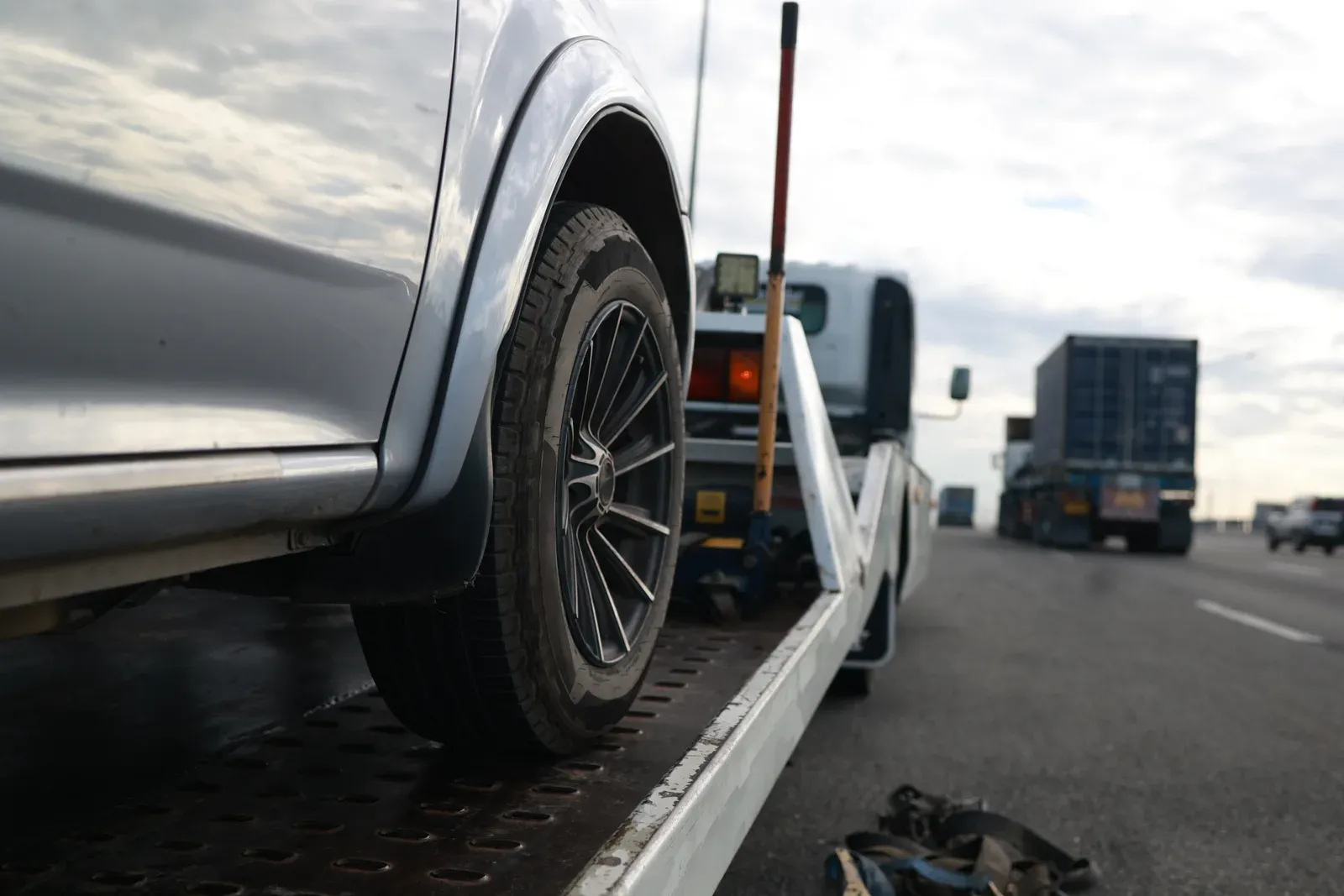
- Tow it on a flatbed, not dragged on its wheels
How flood claims work in Ontario
Flood is a comprehensive loss, in the same family as hail, fire, and falling objects. Collision and liability coverage have no role here, so a liability-only policy unfortunately means no coverage at all. Where comprehensive is in place, no fault is assigned and your comprehensive deductible applies.
Expect a careful evaluation. Insurance companies treat water cautiously because electrical faults and corrosion surface months later, so a car that sat deep is frequently written off even when it looks fine — the insurance company weighs actual cash value against repair cost and salvage. A branded title then follows the vehicle permanently in Ontario.
What we do and do not handle
Our work is body, paint, and structure. Engine and electrical diagnosis, interior water remediation, and mould treatment are not services we offer, and we would rather say that plainly than take a car we cannot properly give back. For those, a mechanical shop and a water-remediation specialist come first.
What we can do is the body side once the vehicle is dry and sound: panels damaged by floating debris, corrosion starting at door bottoms and rocker seams, and refinishing where water and silt ruined the paint. We are also glad to look at photos and tell you honestly where the car stands.
- Engine and electrical diagnosis: a mechanical specialist
- Carpet, upholstery, and mould treatment: a water-remediation specialist
- Glass replacement: a glass shop of your choosing
- Body panels, corrosion, and refinishing: handled here
- Structural measuring, if debris struck the vehicle: handled here
Getting a straight answer
If you are unsure whether the car is worth pursuing at all, send photos of the water line and the interior. We will tell you what falls in our lane and what does not, and point you to the specialist who should see it first — at no cost.
For the body and paint work that follows a water event, the estimate is free and the refinishing carries a lifetime warranty. Call (647) 594-3401 and we can talk it through before you spend a dollar.