What to capture at the scene
In a pileup, sequence matters more than damage. From a safe vantage point, photograph the whole line of vehicles so the order is visible, then work down it capturing each plate and the contact points between cars. Nobody else on that stretch of the 401 is going to document this for you.
A crash with injuries or this much combined damage must be reported, and with four or five insurance companies about to open files on the same event, the report number is the shared reference every one of them works from. Getting it before you leave the scene or the Collision Reporting Centre saves you telling the story five separate times.
- A wide photo showing the full line of vehicles in order
- Each vehicle’s plate, and the damage where they touched
- Whether your car was struck once or more than once
- The report number and which service took it
- Contact details for the drivers directly ahead and behind you
How Ontario divides responsibility
Chain reactions rarely have one villain. Under the Fault Determination Rules, each driver can carry a share — 0, 25, 50, 75, or 100 per cent — based on following distance, speed for conditions, and whether they were pushed into the car ahead or hit it on their own momentum.
The practical good news is DCPD: your own insurance company pays your vehicle damage to the extent you were not at fault, without waiting for every other insurance company to agree. Any at-fault share goes through your collision coverage with its deductible. The repair does not have to wait for the percentages.
Repairing a car hit from both ends
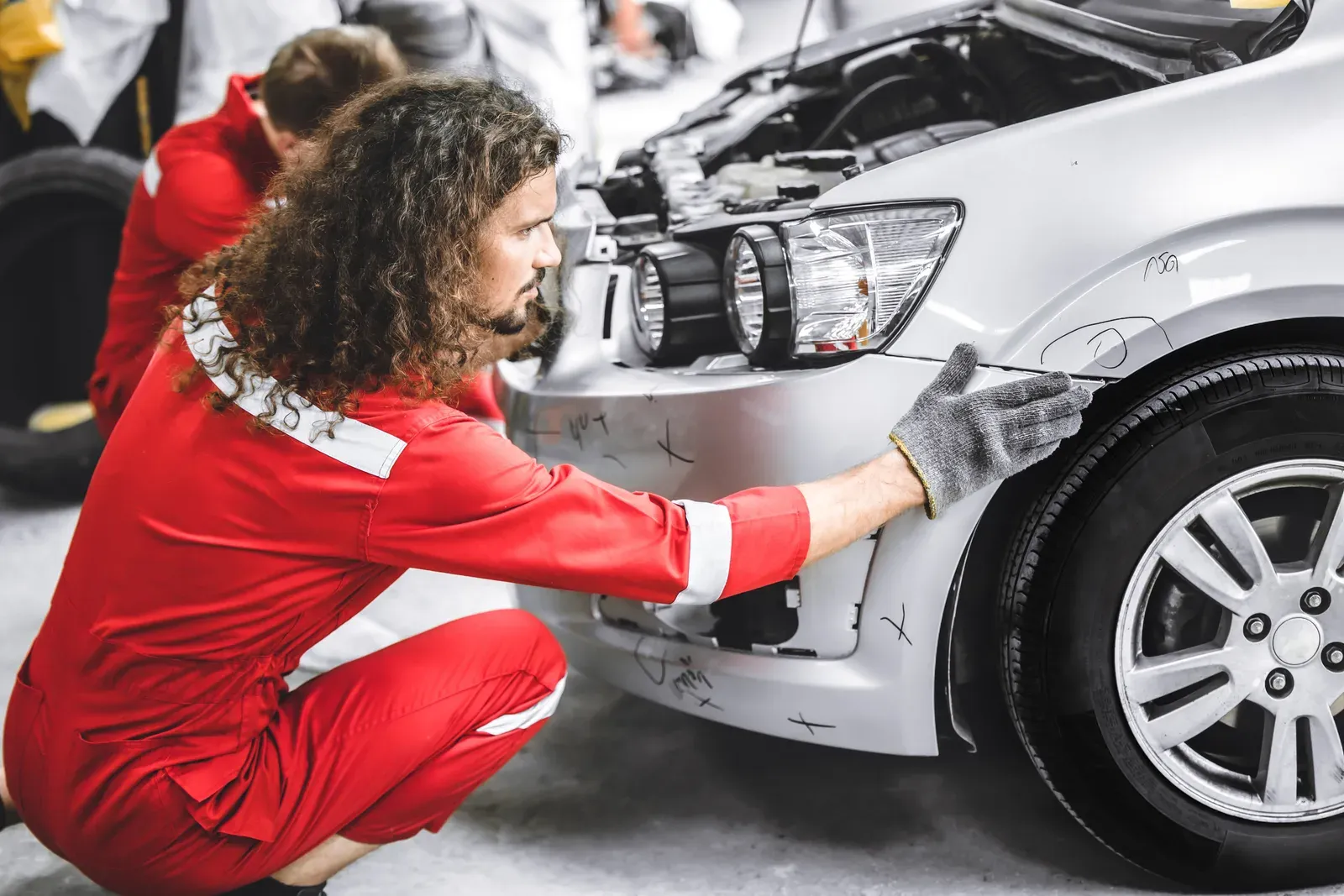
Struck front and rear is a different repair from a single impact. The two loads meet somewhere in the middle of the structure, so the real question is not how bad each bumper looks — it is whether the body between them still measures to factory dimensions after carrying both hits.
So we measure first and estimate second. Both ends get torn down and photographed, structural findings are recorded with printouts, and repairs follow the manufacturer’s procedures for the materials involved. That file matters double when several adjusters are reviewing the same vehicle.
- Both ends torn down and photographed before the estimate is final
- Body measured against factory specification, front to rear
- Manufacturer repair procedures pulled for the materials involved
- Restraint components inspected wherever anything deployed
- A complete photo record, since several adjusters will read it
Getting your car moving while the claim sits
Pileups scatter cars across tow yards, and storage fees start the same day. Call (647) 594-3401 and we help arrange getting your vehicle to North York — Ontario’s towing rules put the destination in your hands, and moving it usually stops the meter.
From there you get a photographed damage report, a written timeline, and one person — the owner — handling the file with every insurance company involved. No counter, no queue, no retelling the story to someone new each week.