Get clear, then document carefully
A sideswipe where the 401 collectors meet the express leaves two drivable cars in live lanes — the most dangerous moment of the whole event. Signal, take the next exit or a wide shoulder, and let the other driver follow before anyone reaches for a phone camera.
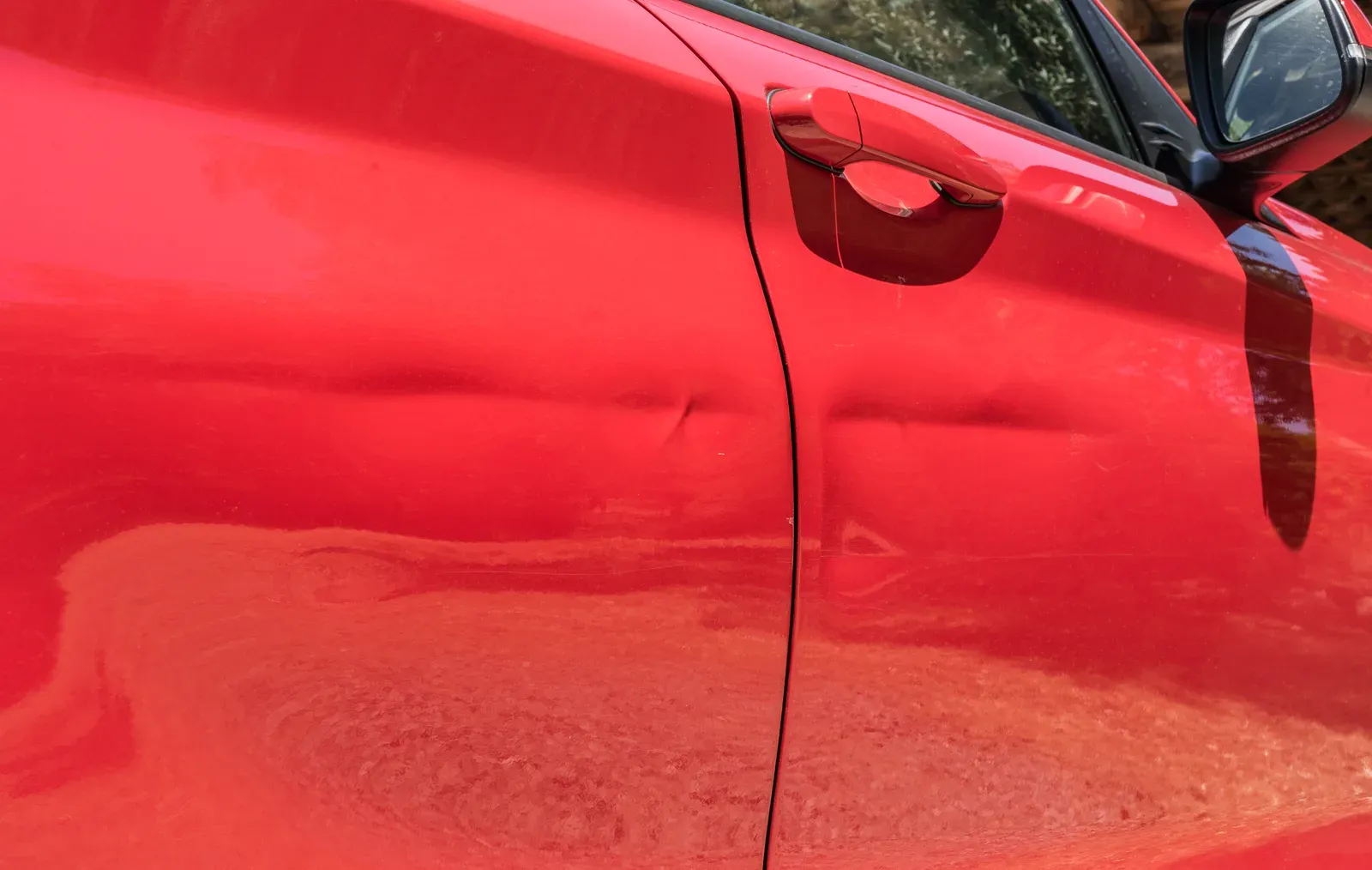
Then photograph both cars, not just yours. Sideswipe damage on two vehicles fits together like a fingerprint — matching heights, matching scrape direction, each car wearing the other’s colour — and that physical fit is what gets read when the two accounts disagree.
- Photograph the damaged side of both vehicles at the same height
- Photograph the colour transfer on each car
- Note which lane each vehicle started in and where the merge began
- Save any dashcam clip immediately, before the loop overwrites it
- Get contact details for whoever was driving behind you
How fault gets decided in Ontario
The baseline rule: a driver changing lanes must yield to traffic already in the lane. In practice both drivers often believe the other one drifted, which is why the Fault Determination Rules — applied in steps of 0, 25, 50, 75, or 100 per cent — lean so heavily on physical evidence and third-party accounts. Two vehicles that both moved can each carry a share.
Money then follows the percentages through DCPD: your own insurance company pays your damage to the extent you were not at fault, and your collision coverage picks up any at-fault share, minus its deductible. If anyone was hurt or the combined damage looks likely to exceed $5,000, report the collision — at highway speeds, assume it does.
Repairing a long scrape across several panels
Sideswipes run wide and shallow. The damage crosses a fender, one or two doors, and often the quarter panel, and each of those has its own contour and its own gaps — so the repair is really several repairs that must agree with each other along the whole side of the car.
Colour is the hard part, especially on silvers, pearls, and other metallics where the flake shifts with spray angle. We measure the actual shade off the car, spray test cards under colour-corrected light, and blend across the panels so nothing changes tone as you walk the length of it.
- Fender, doors, and quarter panel each carrying part of the scrape
- Every panel prepped on its own contour, not as one flat surface
- Mirrors, handles, and mouldings removed rather than masked
- Test cards sprayed and checked before colour touches the car
- A blend across each panel so the tone never shifts down the side
What happens when you bring it in
Send photos of the full damaged side plus a close-up at each panel, and the free written estimate covers every panel involved rather than just the worst one — which is the version an adjuster needs anyway.
We work with every insurance company, and in Ontario neither one can require you to use a preferred shop — the choice is yours. Tell them the car is going to Collision Auto Center in North York and the claim carries on normally.