The 403 doesn’t skirt Hamilton — it cuts straight through it
Most cities keep their highway at arm’s length. Hamilton threads the 403 under the escarpment through the middle of the west end, and the short, busy ramps at Aberdeen and Main Street West feed merging traffic into a highway that is already braking for the Linc interchange. Add the QEW split near the bayfront and the Skyway’s crosswinds, and Hamilton’s highway crashes tend to be real hits at real speed — the kind where energy travels well past the panel that shows the dent.
The lower city writes a different list. Main and King move traffic in timed multi-lane waves, and a driver crossing them misjudges the platoon at their peril — T-bone and front-corner damage from the one-way grid is a Hamilton signature. Winter adds the accesses: a car that loses grip climbing the Jolley Cut or the Sherman Cut usually finds a curb or a guardrail on the way down, and the impact loads the wheel, the control arm, and the rail behind the bumper all at once. Which road your crash happened on tells us a lot before the car even arrives.
Nothing is quoted from the outside of the car
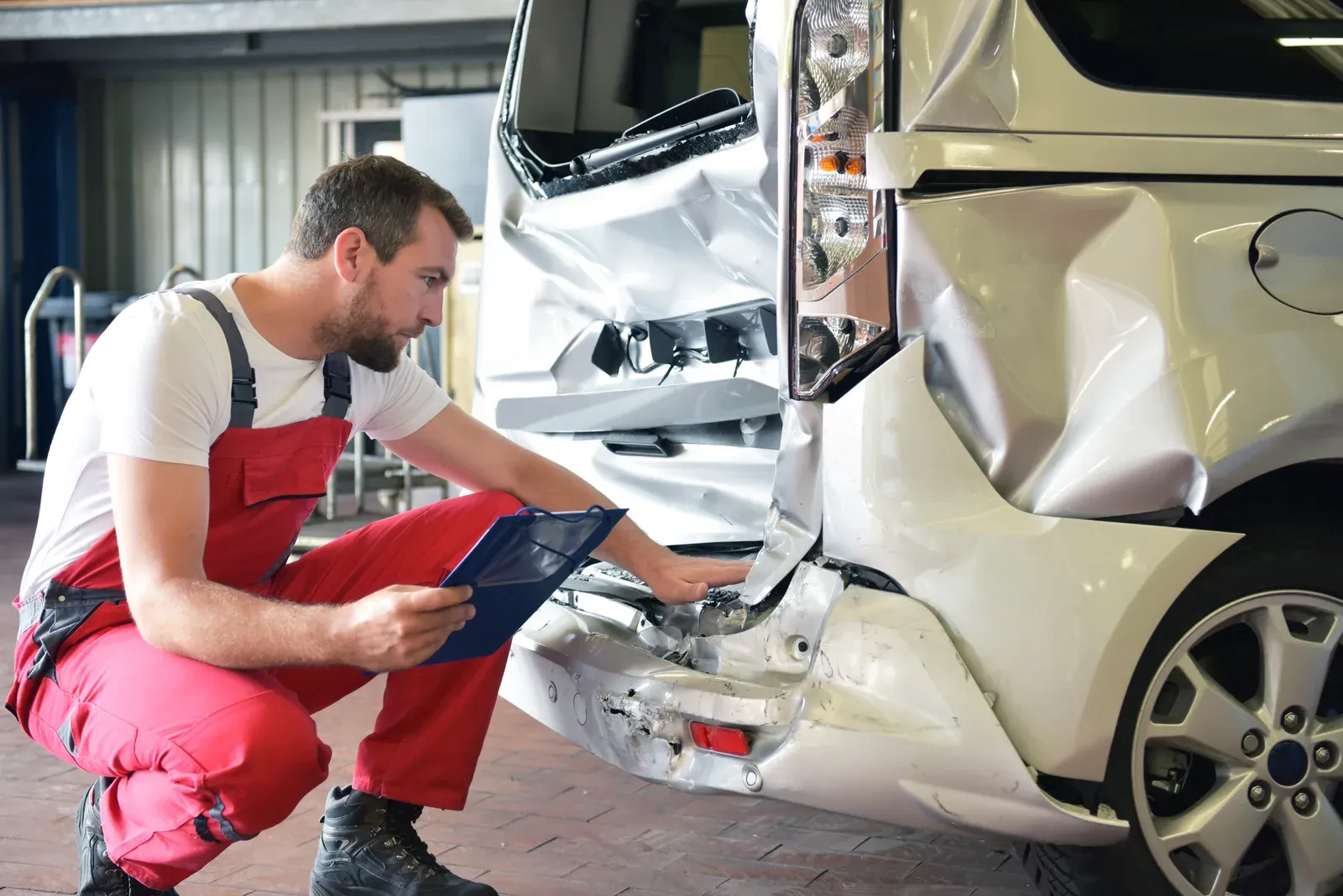
A collision estimate written from the curb is a guess with a signature on it. Here the covers, liners, and trim come off first, the hidden damage gets photographed, and only then is the number finalized — which is why our estimates don’t grow halfway through the job. Insurance appraisals written from photos routinely miss crushed absorbers, cracked brackets, and rails that moved a few millimetres too many; finding all of it on day one is what keeps the repair on schedule and the supplement argument short.
Structural corrections are measured against factory specification before and after every pull, and the readings stay in your file. Where a replacement part matters to safety or fit, we press your insurance company for OEM rather than accepting like-kind-and-quality by default — no Ontario law forces OEM parts, which means somebody has to make that case, and here it’s us. The refinish is matched to your paint code, blended into the neighbouring panels, and warranted for as long as you own the vehicle, with parts-and-installation coverage on the replacements.
- Teardown before the estimate is final — the number covers what’s actually broken
- Structural measurements documented before and after correction
- OEM parts argued for where safety or fit depends on them
- Lifetime warranty on the refinish; inspection and road test before pickup
The claim does the travelling, not you
If another driver caused the crash, Ontario’s DCPD system routes your vehicle damage through your own insurance company, with fault split under the provincial Fault Determination Rules — unless you removed DCPD with the OPCF 49 endorsement, in which case that coverage no longer exists on your policy. Report the collision to a Collision Reporting Centre when anyone is hurt or the combined damage looks to pass $5,000, and notify your insurance company promptly — the standard Ontario policy expects notice within seven days.
From there, the file lives in our office. The owner opens the claim, deals with the adjuster directly, and submits supplements when teardown turns up what the first appraisal missed. For Hamilton drivers the practical sequence is photos first, one drive up, rental waiting: send pictures, get the written estimate, and book the drop-off so the trip down the 403 happens exactly once. Doors open 8 AM to 7 PM, Monday through Saturday, Sundays by appointment.