The Hanlon writes most of the incident reports
Highway 6 through Guelph promises expressway travel and then interrupts it. Traffic runs at highway pace between lights, and when the signal at College Avenue or Stone Road flips, four lanes have to shed their speed together. Most days they manage. On the first slick morning of November, or in the low sun after a shift change, somebody doesn’t, and the result is the Hanlon’s signature crash — a rear-end with two or three cars in it and real speed behind the first hit. The interchange with the 401 adds merging collisions at the bottom of the city, right where the commuter flow compresses.
The rest of the map fills in predictably. Downtown’s angled parking on Wyndham produces backing collisions in slow motion. Speedvale and Victoria carry the crosstown load and the left-turn crashes that come with it. The rivers give the city fall fog and bridge decks that ice ahead of the pavement, and the rural edges — Arkell Road, Watson heading south, Highway 7 toward Rockwood — supply the deer strikes and ditch exits that make the ugliest files. A city this size sees every category of collision; it just sees them at Guelph’s particular addresses.
What to do from Guelph, in order
Start with the record: photos of both cars, their positions, the plates. If anyone is hurt, or combined damage looks like it could pass $5,000 — a bar two airbag-equipped cars clear easily — the collision gets reported at a Collision Reporting Centre. Ontario runs vehicle damage through DCPD, meaning your own insurance company pays for the portion of the damage you didn’t cause, with fault split under the province’s Fault Determination Rules. Tell them promptly either way; the standard policy expects notice within about seven days.
Then, before anyone recommends a shop to you, remember that a recommendation is all it can be. Ontario leaves the repair decision with the driver, and an adjuster’s preferred list is a suggestion you may take or leave. Send your photos to (647) 594-3401 and the file opens from our end the same day — estimate, adjuster contact, supplement arguments, all run by the owner, who answers the phone himself. Drivable cars come in on a day that suits your week; the rest travel by flatbed we arrange.
The repair, done once
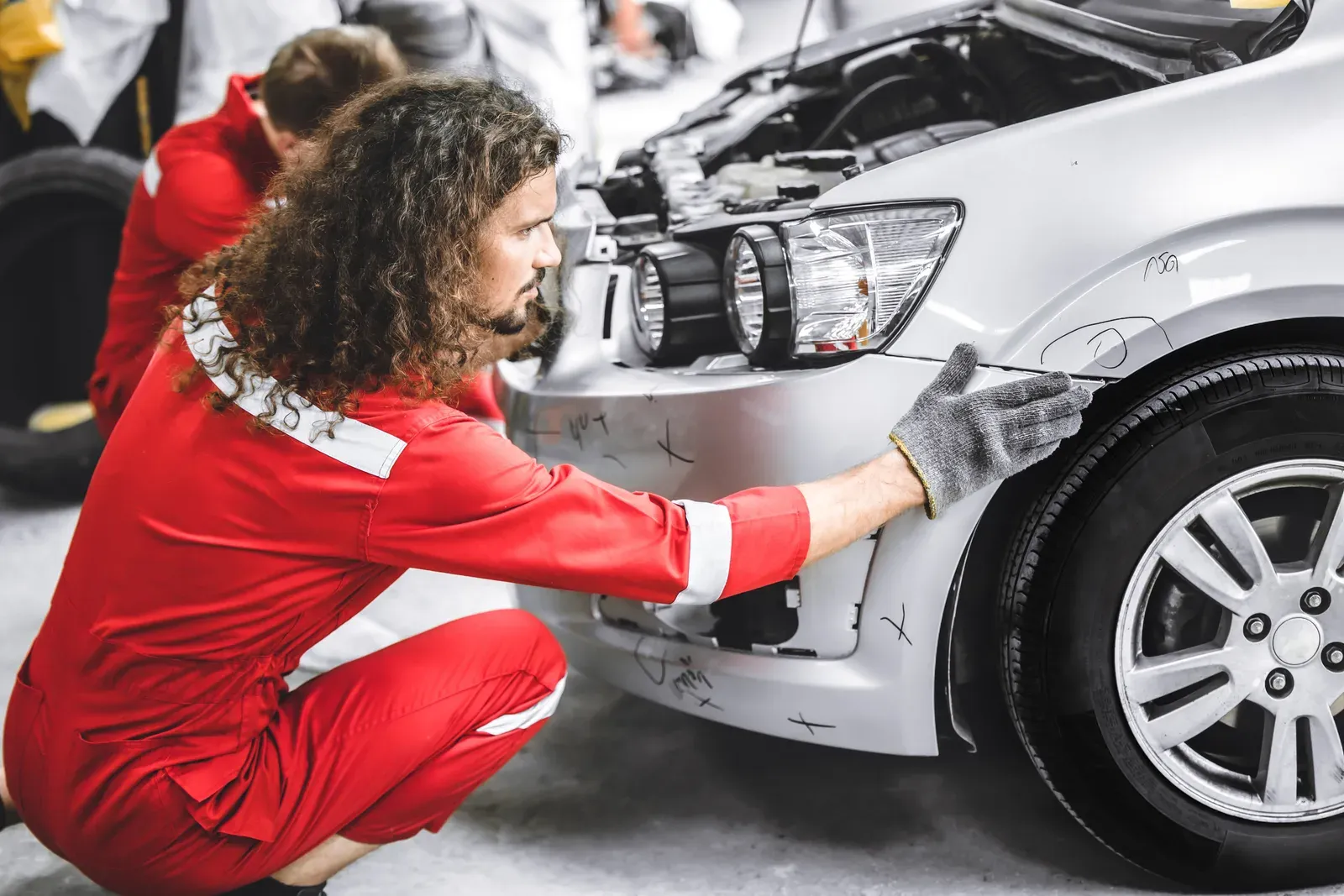
We treat the photo estimate as a hypothesis. The real scope shows up when the damaged corner comes apart: absorbers that did their job and died doing it, brackets cracked out of sight, a rail sitting three millimetres shy of where the factory put it. Everything gets photographed, the number gets rebuilt on evidence, and the claim moves once instead of stalling every time a surprise surfaces.
From there the work follows the manufacturer’s repair procedures — structure measured wherever the hit carried speed, OEM parts pushed hardest where safety systems bolt on, colour blended into the neighbouring panels so the repair has no visible border. Before a Guelph car faces the 401 again it gets a final inspection and a road test, and the paint and refinish leave with a lifetime warranty behind them.
- Photos open the claim; teardown sets the final number
- Structure measured on any hit with speed in it
- OEM parts requested where safety equipment mounts
- Inspection and road test before the drive home