Every road out of the valley climbs — and winter knows it
Dundas collisions sort themselves by geography. On the hills — Sydenham Road up to Clappison’s Corners, York Road out the east end, King Street West rising toward Peters Corners — winter produces the slide: a car that loses grip on the grade and finishes against a curb, a guardrail, or the vehicle ahead. The impacts are slow, but a curb met sideways loads the wheel, the control arm, and sometimes the rail behind them, which is why a “minor” hill slide can carry a four-figure repair behind an unremarkable scuff.
The flat route bites differently. Cootes Drive carries McMaster and Hamilton traffic at 70 km/h through active deer habitat, and the strikes cluster at dawn and dusk from October through December. A deer at that speed folds the hood, pushes the radiator support, and scatters sensor brackets — comprehensive-claim territory, but bodywork all the same. Then there is the 403: the Main Street West ramp queues on weekday mornings, and the Toronto-bound crawl past the 6 turns a glance at a phone into a rear-end file. Those highway cars are often towed our way because that is the direction they were already pointed.
The number is written after the damage comes apart
A photograph shows paint; it does not show the crushed absorber behind a bumper cover or the mounting tab that snapped inside a fender. So the first real step in every Dundas collision file is teardown — covers, liners, lamps, and trim come off, and what sits behind them is photographed and written into the estimate before it is final. Anything that happened at highway speed gets measured, because a rail that moved a few millimetres is the difference between cosmetic work and structural work, and guessing wrong helps nobody.
From there the repair follows manufacturer procedures. Metal is repaired where it can be and replaced where it cannot, with OEM parts requested wherever a safety system depends on the part. Colour is mixed to your code, sprayed out, adjusted against the panel as it exists after years of valley sun and road salt, and blended into the neighbouring panels so the repair has no visible edge. A final inspection and a road test happen here — the drive back down Cootes Drive should not be the shakedown run.
- Teardown before the estimate is finalized, with photo documentation
- Structural measuring on any highway-speed or deer-strike hit
- OEM parts requested where safety systems are involved
- Lifetime warranty on paint and refinish
The distance is our problem, not yours
Ontario handles most collision damage through DCPD: when you are not at fault, in whole or in part, your own insurance company pays for your vehicle, with fault split under the Fault Determination Rules. Report through a Collision Reporting Centre when anyone is hurt or the combined damage looks likely to pass $5,000 — two modern bumpers can do that on their own — and notify your insurance company promptly; the standard policy expects notice within about seven days. If the adjuster names a preferred shop in Hamilton, that is a recommendation. The choice of shop is yours under Ontario law.
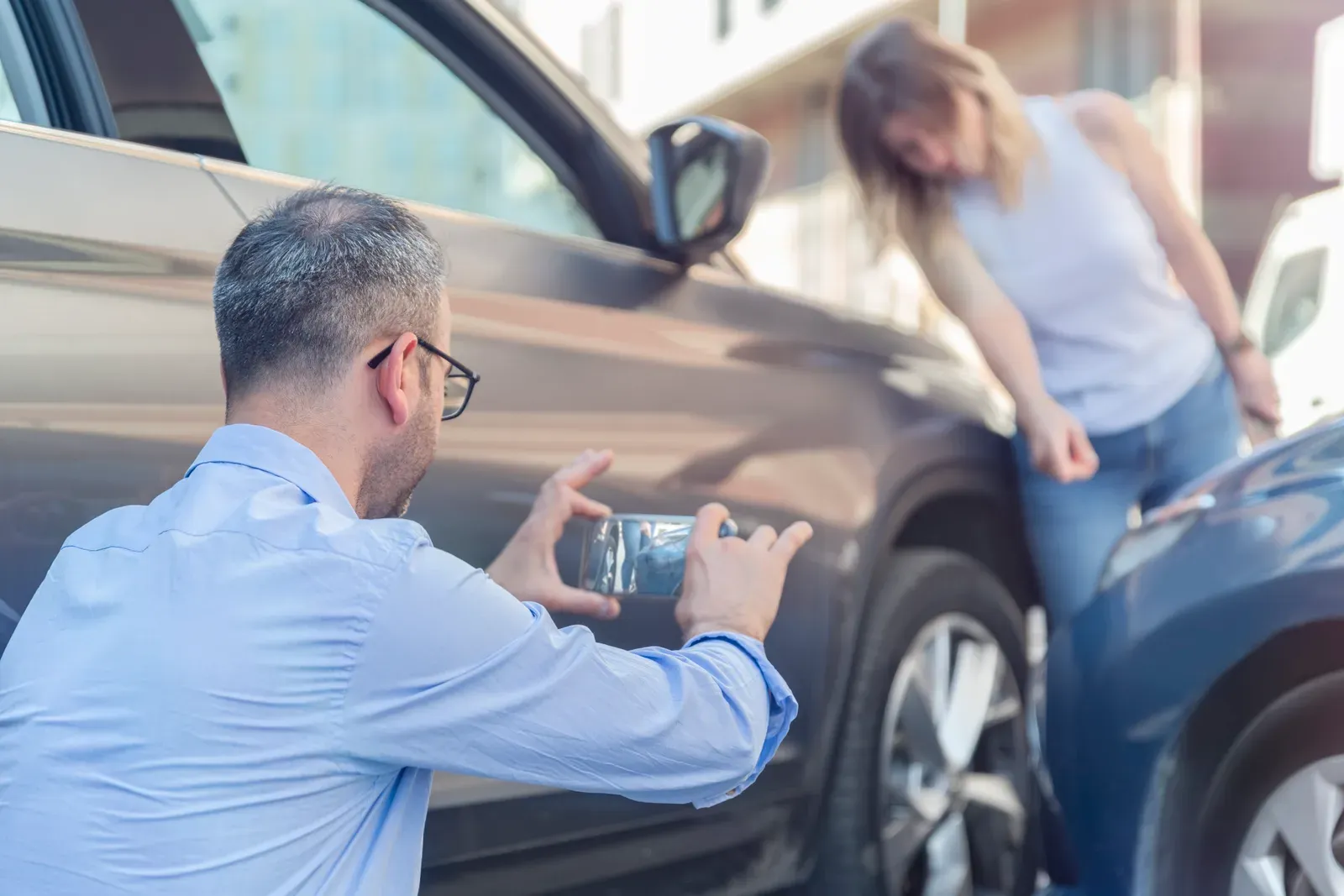
Practically, a Dundas claim starts with three photos to (647) 594-3401. The owner writes the number, opens the file, and argues the supplement when teardown finds what the first photos could not show. A car that will not drive comes up on a flatbed we coordinate from the valley or from whichever yard it landed in, and the rental through your coverage starts when you hand over the keys — not before, so none of it burns while the car sits. Hours are Monday to Saturday, 8 AM to 7 PM, Sundays by appointment.