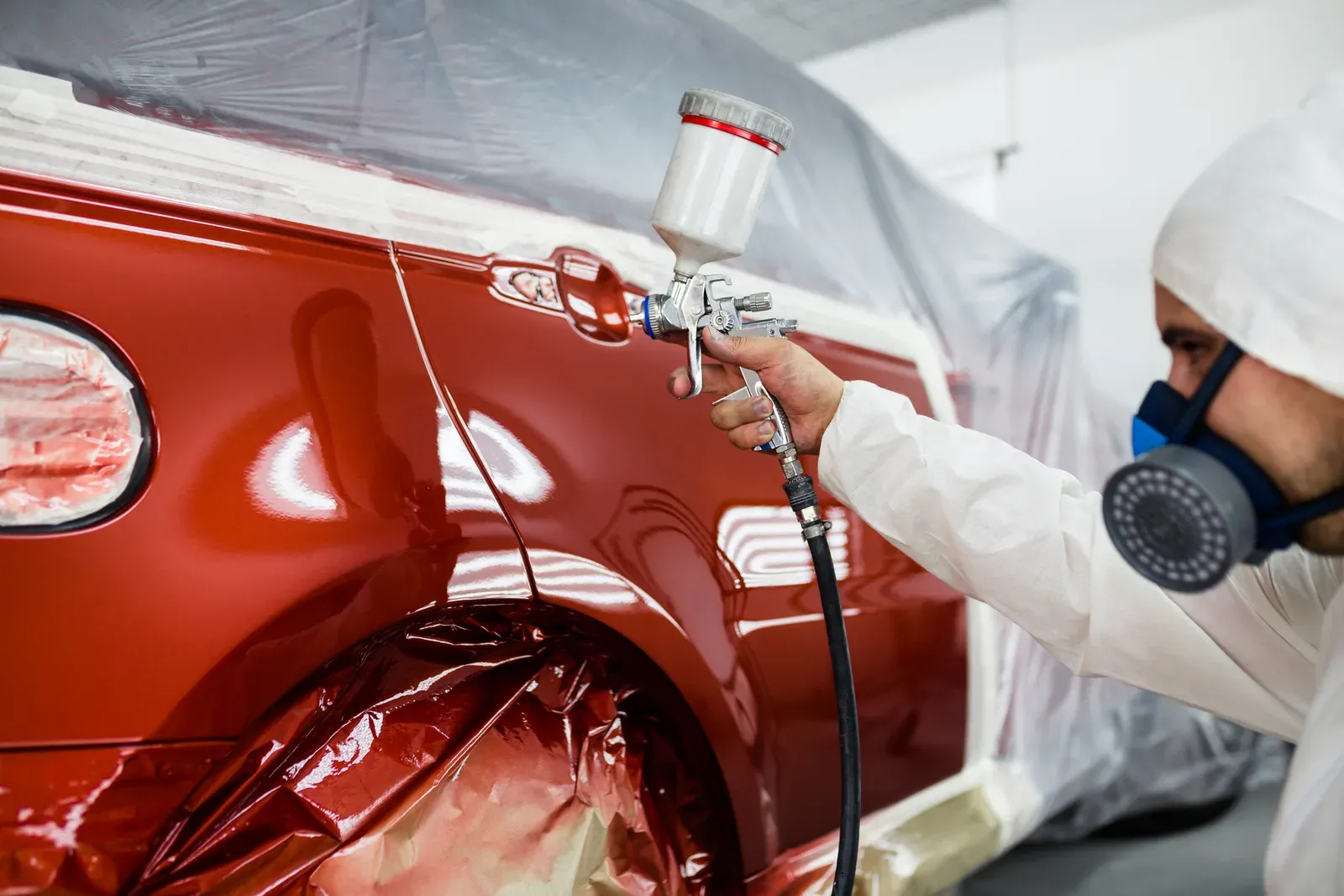
The honest answer: prep decides, not time
Anyone quoting you a number of years is guessing, and we won’t. Paint doesn’t wear out on a schedule the way brake pads do — it fails for reasons, and nearly all of those reasons were locked in on the day it was sprayed. A refinish laid over straight metal, correct primer, and clean air, cured under controlled booth conditions, carries no built-in expiry date. It faces the same weather as the factory finish beside it, and it can grow old at the same pace.
The reverse is equally true, and worth saying plainly: a repaint that fails in year two was failing from day one — the winters merely published the news. Which is why the useful question was never how long shop paint lasts in general. It’s what this particular shop did underneath the colour, because that’s the layer where the lifespan got decided.
What actually cuts a paint job’s life short
The failure list is short and depressingly consistent. Paint laid over rust that wasn’t fully cut out will bubble, because corrosion keeps eating underneath the new colour. Skipped or mismatched primer leaves the film nothing to grip, and eventually it lets go — the classic peeling clearcoat. Contamination trapped during spraying leaves weak points in the film. Chips and edges left unsealed hand water a doorway. None of these problems shows itself at pickup; every one of them shows itself later.
The cure matters exactly as much as the prep. Film that flashes unevenly or hardens in uncontrolled conditions can look flawless on delivery day while carrying internal stresses that surface as cracking or dullness seasons later. This is the one stage of the job no customer can inspect from outside — which is precisely why the warranty conversation at the end of this page is the part worth remembering.
Notice the item missing from that list: the brand on the paint can. The major refinish systems are all capable materials, and arguing brands is mostly noise. Everything on the list is about hands and hours — which explains how two shops spraying the identical product can hand back repaints with entirely different futures.
- Rust patched cosmetically instead of removed to clean metal
- Primer or sealer stages skipped to claw back hours
- Dust or oil contamination sealed beneath the clearcoat
- Thin film build at edges and along body lines
- A rushed or uncontrolled cure outside a proper booth
What a Toronto year does to every finish
Southern Ontario runs an honest stress test on paint. July sun works the pigments and clearcoat from above; winter answers with brine trucks, sand blasted off the 401 at 100 km/h, and the freeze–thaw cycling that pries open any chip or crack water can reach. Factory paint and refinish paint take all of it equally — the weather has never once checked who sprayed the panel.
What the climate truly punishes is damage left open. A stone chip is a pinhole in the armour, and a GTA winter will find it, feed it salt water, freeze it at −15 °C, and lever it wider by March. That’s as true of original paint as of a repaint, which is why the chips-and-winter habit matters more to your paint’s lifespan than the factory-versus-shop debate ever will.
Garage-kept cars have it easier, no argument — but plenty of repainted vehicles live outdoors year-round across North York and do perfectly well. The deciding variable is how quickly small damage gets sealed, not the parking address. If one habit follows you home from this page, make it this: treat every winter chip as an appointment, not a shrug.
Your half of the partnership
The owner’s job is simple and cheap. Rinse the salt film off through the winter — especially after a thaw, when brine sits wet on every surface — and get the underbody when you can. Have stone chips sealed before the cold arrives rather than after it leaves. Wash regularly enough that sap, droppings, and road film don’t sit and etch, and give the car shade or a garage when that’s on offer. Wax is welcome once the fresh paint has fully cured — the early-days rules live in our new-paint care guide, along with what to avoid in the first weeks after a repair.
None of this is exotic. Paint care is mostly the discipline of not letting small insults linger: salt, sap, droppings, chips. Give that much cooperation to a repaint that was prepped and cured correctly, and it simply keeps looking like the day it was handed back.
As for waxes, sealants, and ceramic coatings — useful, in their lane. They make the surface easier to keep clean and add a sacrificial layer against minor chemical attack, and we’re glad to talk timing for any of them once the cure allows. Just keep them in perspective: they extend the life of paint that was built well underneath. Nothing in a bottle rescues paint that wasn’t.
What the written warranty actually tells you
Here is the only honest way a shop answers the how-long question: in writing. Our paint work is warranted against defects like peeling, bubbling, and cracking for as long as you own the vehicle — no trial period, no punch-card of conditions. That document can exist because we control every stage that decides paint life: the metal work, the priming, the booth, the cure. A shop that trims those corners can’t afford to write that sentence.
So when you compare shops, ignore the lifespan promises made out loud and ask for the one made on paper. The warranty a shop is willing to sign is the most reliable forecast of how long its paint lasts — because it’s the only forecast anybody is accountable for.
Ask to see that document before the work begins, not at pickup. A shop proud of its process slides it across the desk without a pause — and a shop that hedges, redirects, or promises verbally has already answered your real question. Ours is on the table before a single panel gets sanded.