Aurora’s collisions happen in two different worlds
The first world is the commute. Aurora empties onto the 404 every weekday morning, and the southbound crawl that builds between Bloomington and Highway 7 is where the classic rear-end chain happens — three cars, low closing speed, and bumper covers that hide crushed absorbers and pushed rear panels. The Wellington ramp itself adds its own share: drivers merging out of the SmartCentres corridor while checking the queue ahead is how corners get clipped at 30 km/h. The second world is the edge of town, where St John’s Sideroad, Vandorf, and the dark stretches of Leslie put deer in front of commuters at dusk from October on.
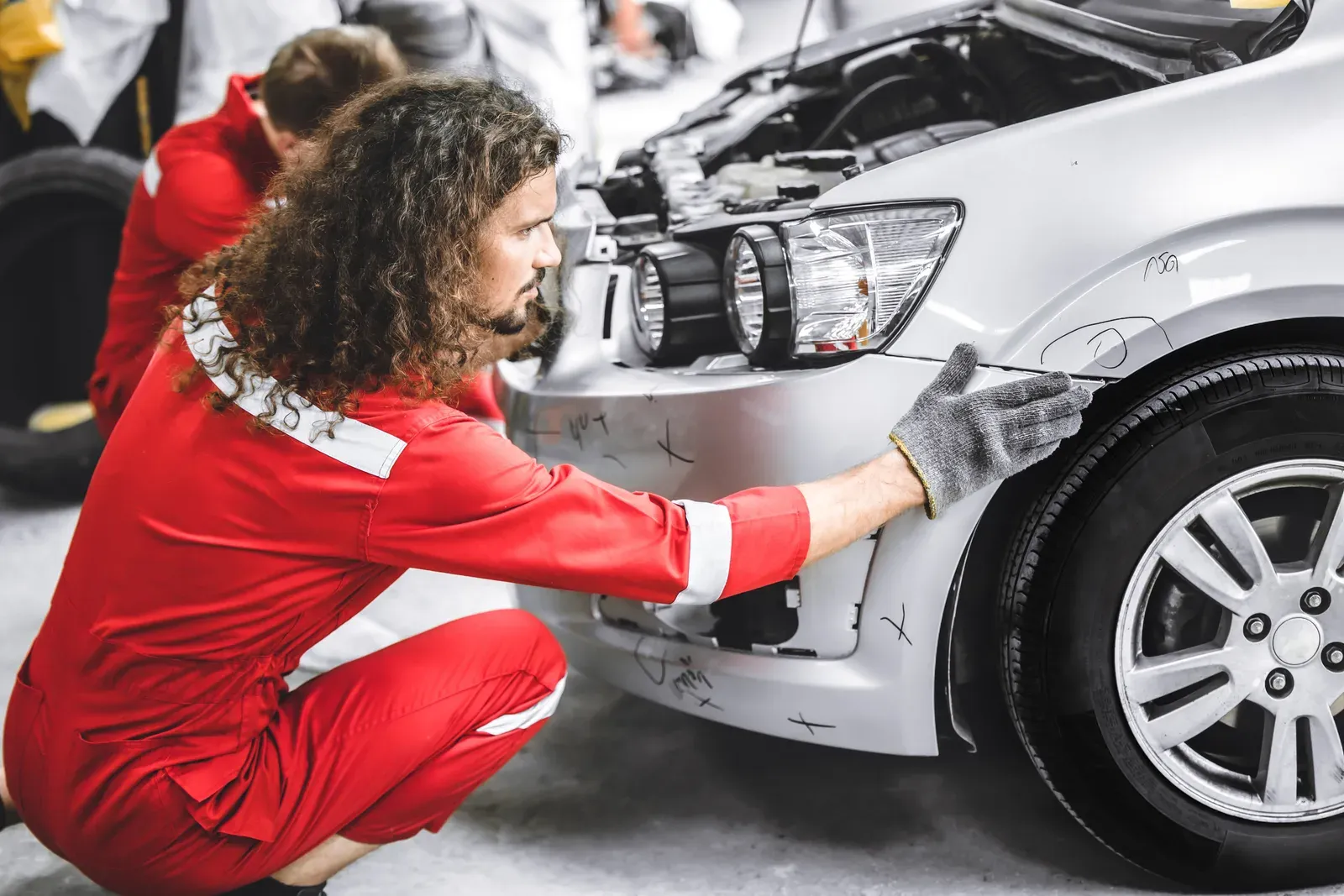
Those two worlds produce different estimates. A highway hit needs the structure measured before anyone talks about paint, because energy at 404 speeds travels past the panel that shows the damage. A deer strike concentrates force into the grille, the headlight mounts, the rad support, and whatever driver-assist sensors live behind the front badge. Either way, the honest number arrives after teardown — covers off, hidden damage photographed, repair plan built against what is actually there rather than what a phone camera could see.
What the repair looks like once the car is here
Structural damage goes onto the measuring system before anyone touches it — the correction happens in controlled stages, and the readings from before and after stay in your file. Sound metal gets worked back to shape; stretched or torn metal gets replaced. When a replacement part matters to safety or fit, we push your insurance company for OEM rather than accepting like-kind-and-quality by default. Ontario law does not force OEM parts on anyone, which means someone has to make the argument — at this shop, that argument is ours to make, not yours.
Refinishing is matched to your paint code and then adjusted to your panels as they exist today, because a code-perfect spray on a car that has spent winters on salted Yonge Street will not match without a blend into the neighbouring panels. The refinish is guaranteed for as long as you keep the car, and replacement parts come with parts-and-installation coverage. Before pickup, the car is inspected and road-tested, so the run back up the 404 is not its first drive.
- Teardown before the estimate is final — no growing numbers mid-repair
- Structural pulls measured and documented against factory spec
- OEM parts pressed for where safety or fit depends on them
- Inspection and road test before the keys come back
The claim, the rental, and the 27 kilometres
If the other driver caused it, Ontario’s DCPD system routes your vehicle damage through your own insurance company, and the provincial Fault Determination Rules decide how the percentages fall — unless you removed DCPD with the OPCF 49 endorsement, in which case that coverage is gone. The claim starts at our counter, the adjuster hears from us rather than from you, and supplements go in from this office when teardown turns up more. The owner runs the file personally, and you get updates from the person doing the work.
Distance is the practical question for Aurora, so we answer it up front: send photos before anything else, and drive down only once the estimate and booking are set. The rental goes through your coverage and meets your drop-off morning. If the car cannot drive, the tow comes to us on your instruction — where a vehicle gets towed is the owner’s call in Ontario, not the operator’s. We keep the doors open 8 AM–7 PM, Monday through Saturday, with Sunday handovers by arrangement.