The keep-it math has changed
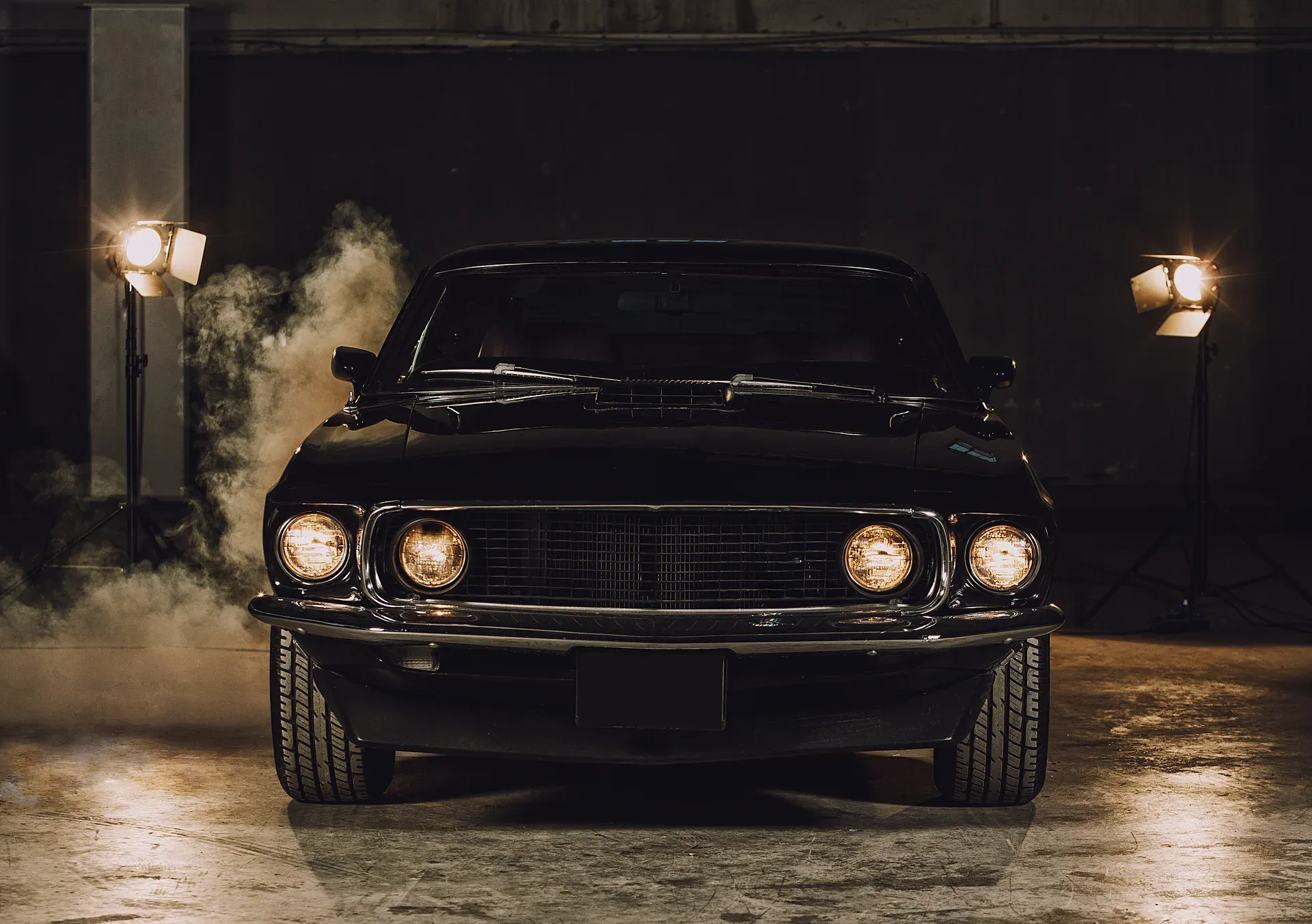
The old rule — never put body work into an old car — was written for an era of cheap replacements. Replacing a decent vehicle in today’s GTA market costs far more than it used to, financing costs real money every month, and a paid-off car whose service history you personally lived through has a value no listing site captures: you know it is not somebody else’s problem wearing a fresh detail.
That reframes the comparison. Weighing a repair against the car’s trade-in value is the wrong test, because you are not selling the car to the repair — you are buying continued use of it. The honest comparison is repair cost versus the all-in cost of replacing that transportation, and on that test, sensible body work on an older car wins far more often than the old rule ever admitted.
There is a quieter argument owners feel but rarely say aloud: a known car is a low-risk car. You know its noises, its habits, its honest faults. Trading that certainty for a used-market stranger carries a cost no listing shows, and it belongs in the ledger right beside the repair quote.
Run the comparison over a horizon, too — what the repair costs against what a stretch of monthly payments on a replacement would run. Framed that way, many repairs stop looking like money sunk into an old car and start looking like years of cheap driving, purchased in advance.
Priority order: safety, rust, looks
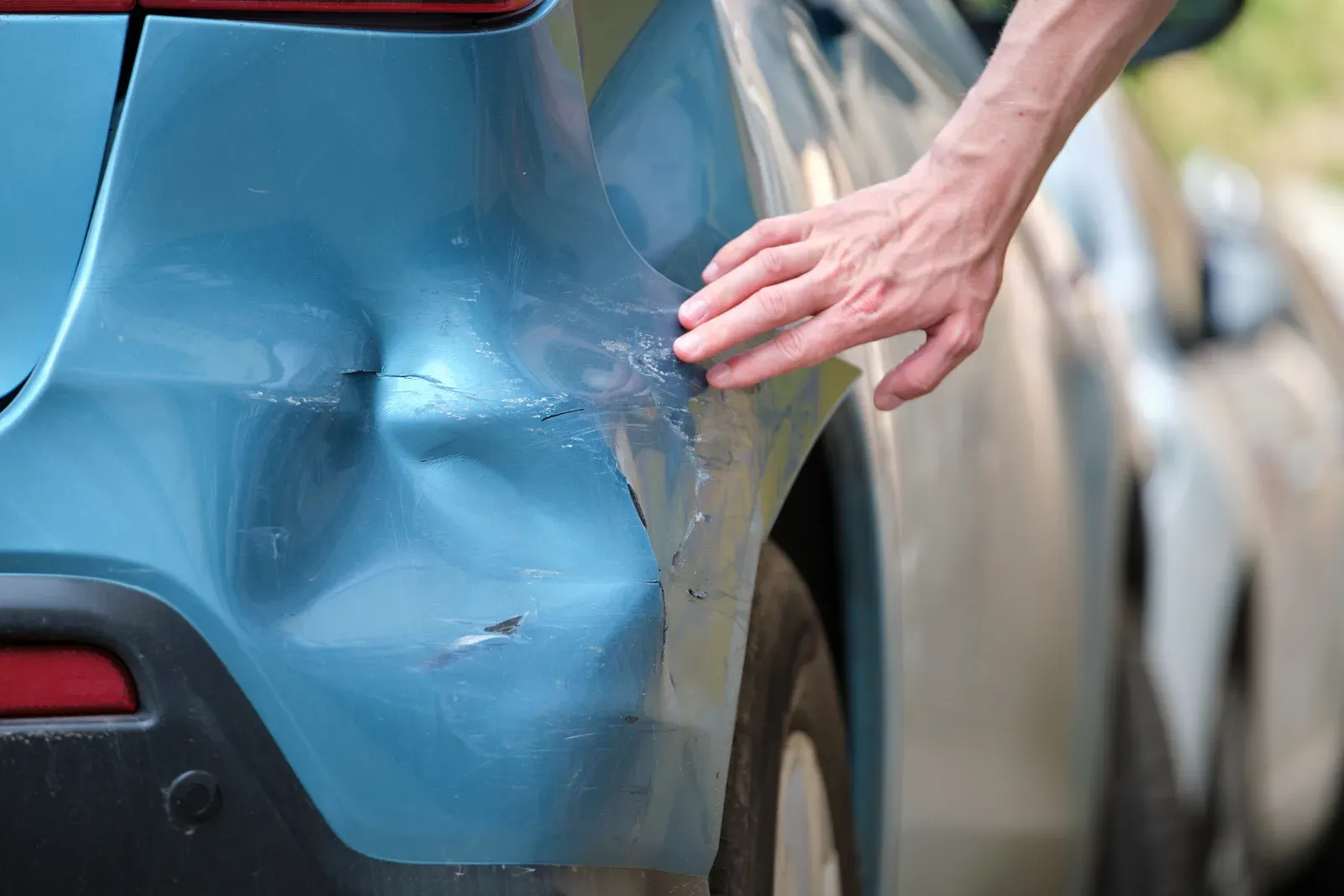
Not all body damage deserves equal treatment on an aging car, so triage it. First priority is anything functional or structural: crumpled metal from a real impact, doors and latches that no longer close properly, broken lights and mirrors, damage near sensors. Those repairs protect you, and they are not optional if the car is staying on the road.
Second is rust and broken paint, because that is the one category that compounds. In a city that brines its roads half the year, a chip or a bubbling rocker gets more expensive every winter it is ignored — and rust repair only makes sense while it is caught before perforation. Cosmetics come last precisely because they do not compound: a sealed dent on a fender costs the same to fix in three winters as it does today, so it can wait indefinitely.
The triage keeps insurance conversations sane as well. Claims fit the big, sudden events; the accumulated small stuff on an older car is usually a cash conversation, handled selectively. Mixing the two — filing claims to erase cosmetic history — is how older cars wander into total-loss math nobody wanted.
When the work clearly makes sense
The strongest case combines a few conditions, and most older cars we repair meet all of them. The point of the work is continued use — keeping a good car in your service — rather than chasing resale value it will never recover.
Notice what is missing from the list below: resale value. Body work on an older car is bought the way tires are bought — to keep a good machine running. If most of these conditions describe your situation, the repair generally earns its keep; if few do, keep reading, because the next section was written for you.
- The car is mechanically sound, or worth keeping mechanically sound
- You plan to keep driving it for years, not months
- The damage is localized — a panel, a corner, a rocker — not spread across the body
- Any rust is still surface-level or contained, caught before it perforated
- The repair bill sits comfortably below what replacing the car would truly cost
When we’ll talk you out of it
Some jobs we quote reluctantly, and we say so. When the estimate crowds the realistic value of the car and no attachment or practical reason argues for keeping it, the money is usually better pointed at the next vehicle — our answer on what to do when the car is worth less than the repair walks through that decision. Rust that has moved past cosmetic panels into structure is a different conversation entirely, and often one about replacement rather than repair.
Full resprays of tired paint on high-kilometre commuters get the same honesty: the car will look better and be worth nearly the same, and you deserve to know that before spending. Because one person — the owner — writes the estimate and answers for it later, talking customers out of low-value work is simply part of how this shop operates.
How the news gets delivered matters to us. You get the honest version at the estimate, in plain terms, with the reasoning attached — not a quote inflated to discourage you, and not upselling dressed up as advice. Some owners repair the car anyway, for their own reasons, and that is a fine outcome too. The one thing we will not do is let you spend real money on a car we would not spend it on ourselves.
Phasing: fix what matters now, defer the rest
Older-car body work does not have to be all or nothing. A phased plan does the safety and rust work now — the items with a clock on them — and leaves cosmetic items for later, or for never. Spreading the spend keeps a good car safe without one large bill, and plenty of our older-car customers run exactly this play.
Parts strategy can flex the same way. Our default is OEM, but on an older vehicle, quality recycled panels — with your explicit consent — can be the sensible route, and for some discontinued panels they are the only route. Send photos for a free written estimate and tell us the car’s story; the plan you get back will be built for a car you intend to keep, because that is what you told us it is.
Phasing also spreads the decisions, not just the cost. Handling the urgent work first buys time to see whether the transmission, the next winter, or your own plans settle the car’s future before you fund the cosmetic round. Plenty of second phases never happen — and that is the plan working, not failing.