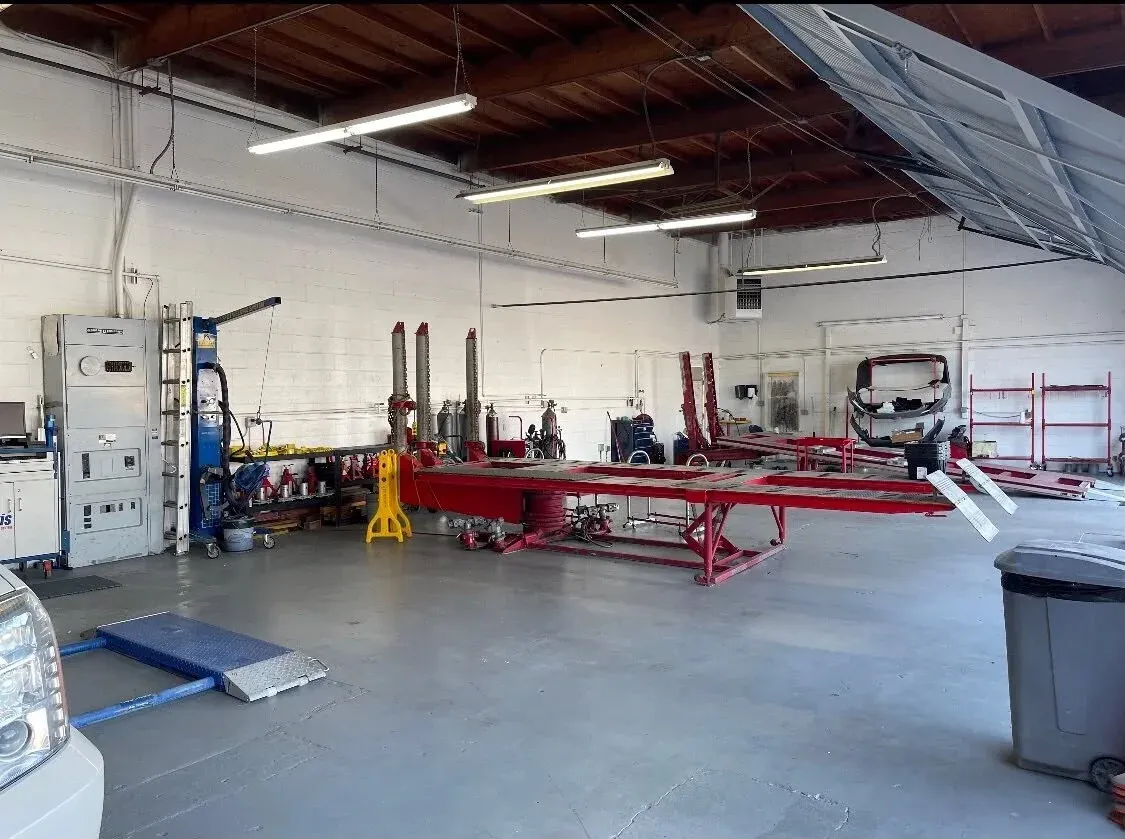
Where West Hill bends structure, not just panels
Structural damage needs energy, and this end of Scarborough has three reliable sources of it. The 401 at Morningside and Meadowvale delivers highway-speed rear-ends and merge collisions where the force travels past the bumper into the rails. Kingston Rd’s cross-traffic turns produce side impacts at Galloway and Lawrence that load the B-pillar and floor. And every winter, Morningside Ave’s long shaded grade down into the Highland Creek valley collects cars that found black ice before the salt truck did — a slide into a curb or pole at 40 km/h is plenty to shift a subframe.
The valley itself contributes a quieter case: deer move through the Highland Creek and Rouge corridors, and a strike on Twyn Rivers or the darker stretches near the park edges concentrates force low and hard into one corner of the front structure. From the driver’s seat the car may look merely crumpled. Whether its mounting points still sit where the factory put them is not something eyes can answer.
Measurement is the whole discipline
Nearly every modern vehicle is a unibody — the “frame” is the welded structure of the car itself, engineered to crumple in specific zones and hold rigid everywhere else. Straightening it is measurement work before it is muscle work. The car goes on the bench, reference points are laser-measured against the manufacturer’s specifications, and the readout tells us in millimetres what moved and in which direction. That map, not intuition, decides the repair plan.
Corrections are pulled in controlled stages with the measurements repeated as the structure comes back, and the final readings are recorded so the claim file shows the car returned to specification rather than merely looking straight. Where a crumple zone has done its sacrificial job, the right repair is sectioning in new steel to factory procedure — we push your insurance company for OEM structural parts in the supplement, because geometry, crash performance, and every panel gap downstream depend on them.
- Laser measurement against factory data before any pull
- Staged corrections, re-measured as the structure moves
- Before-and-after documentation kept with the claim
- OEM structural parts argued for where sectioning is required
Flatbeds, storage yards, and straight answers
Frame candidates rarely drive, so the 28 km between West Hill and our shop is usually a flatbed’s problem, not yours. Call us before the car gets parked in a tow yard: Ontario’s towing rules put the destination in the owner’s hands, and moving the car straight here means teardown and measurement start immediately instead of after a week of storage fees that bloat the claim.
And because structural jobs are the expensive ones, they are where total-loss math lives. Ontario sets no fixed write-off percentage — your insurance company weighs the car’s actual cash value against repair cost plus salvage. Once we have measured, we tell you plainly which way the numbers lean, before weeks go by. If the car deserves repair, we fight for that; if it is headed for a write-off, you deserve to hear it first from us.