What a moraine collision looks like
The crashes that come out of Uxbridge Township are shaped by its roads. Highway 47 between town and the 404 is the workhorse — two lanes, real speed, and a steady conflict between commuters heading for Stouffville and vehicles turning off at Goodwood — so the corridor produces both high-speed rear-ends and the occasional t-bone at a sideroad. The concessions add their own physics: gravel washboard, soft shoulders, and camber that sends a car into the ditch the first icy morning of November. And because the moraine forest runs right to the fence lines, deer strikes around Leaskdale, Zephyr, and the Foster Memorial stretch of Durham 1 are a season of their own.
In town the energy drops but the frequency does not. Brock Street compresses through the downtown blocks, and the lights near the beer store and the bakery stack traffic in ways visitors misjudge — low-speed hits with crumpled covers and bent reinforcement bars behind them. Fall Fair week at Elgin Park fills every side street with cars and trailers that were never designed to share those lanes. None of these repairs is exotic. All of them deserve a shop that prices the damage behind the panel, not the scuff on top of it.
The estimate is written twice, and we tell you that up front
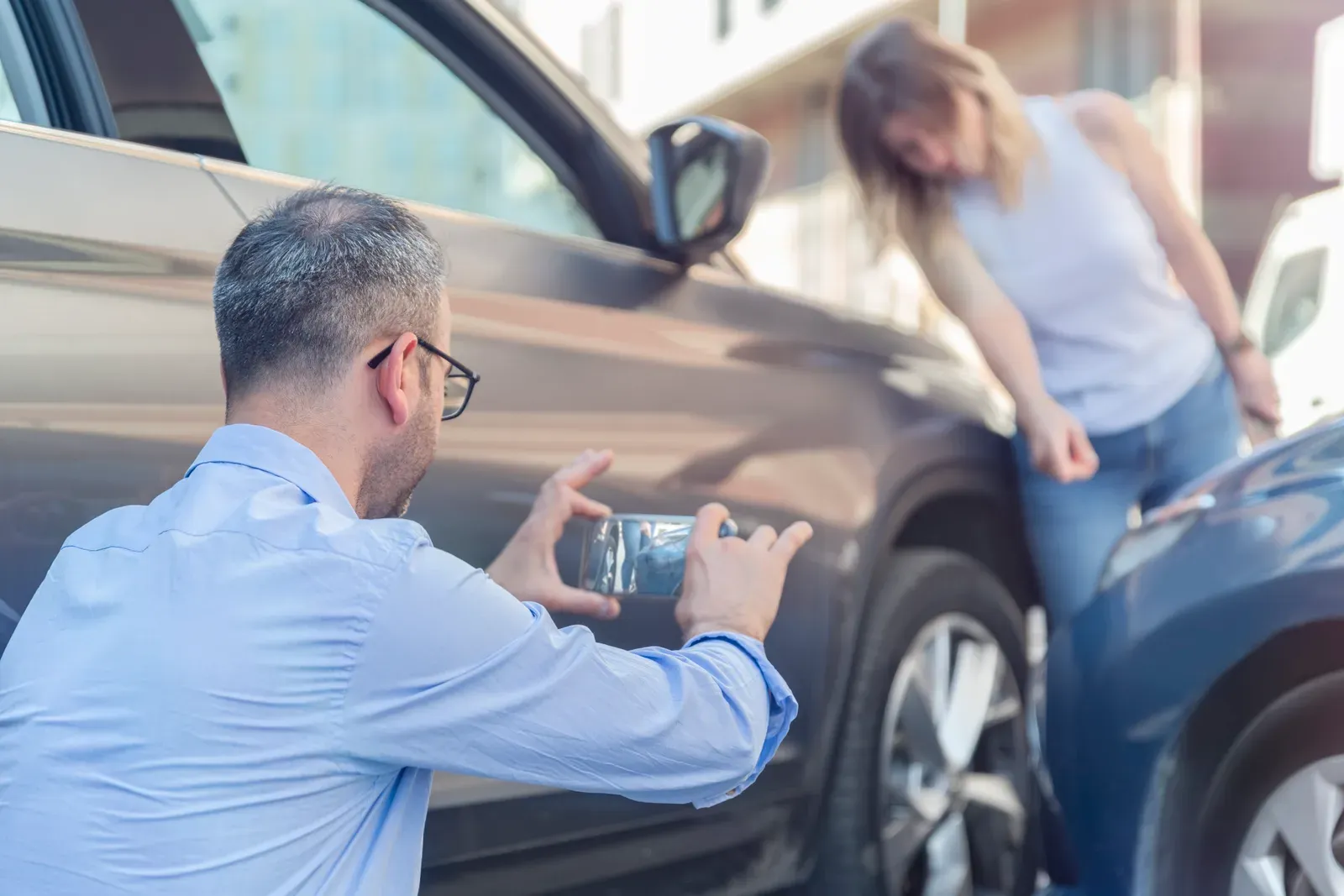
A collision file from 55 km away starts with your phone: a close-up of the damage, the whole corner, the whole car. The written number that comes back books the repair and gives your insurance company a frame to work with. The second number — the finished one — comes after teardown, when the covers and trim are off and the crushed absorber, kinked rail, or cracked bracket that photos cannot show is sitting in the open under our lights. Writing it in that order keeps the repair from stalling mid-job while a supplement gets argued over.
The repair itself follows the measurements. Structural corrections are checked against factory data before and after the pull, and the readings stay in the file. Where a replacement panel touches crash safety or panel fit, we push the insurance company in writing for OEM parts. Paint is mixed to your code, adjusted to how your actual panels have weathered — a truck that has run gravel roads for six years does not match a formula card — and blended into the neighbouring metal so the repair has no edge. The refinish carries our lifetime warranty.
- Photo estimate first, teardown before the final number
- Structural measurements documented before and after correction
- OEM parts argued for wherever safety or fit is involved
- Lifetime warranty on paint and refinish work
DCPD does the paying; we do the chasing
When another driver caused the damage, Ontario’s DCPD system means your own insurance company pays your vehicle claim, with fault set under the province’s Fault Determination Rules — a rear-end hit on the 47 while you were stopped lands entirely on the other driver. If anyone was hurt or combined damage looks likely to pass $5,000, the collision needs to be reported to police or a Collision Reporting Centre; nearly every deer strike or ditch recovery we see from Uxbridge clears that bar. Your policy expects notice within seven days, so the call to your insurance company should not wait for the estimate.
From there your involvement shrinks. The owner opens the claim, meets the adjuster’s questions with teardown photos, files the supplement if one is needed, and keeps you updated at every stage. Drivable cars come down once; everything else arrives by flatbed we arrange. The shop runs Monday to Saturday, 8 AM to 7 PM, Sundays by appointment — (647) 594-3401.