Density does the colliding in midtown
Yonge between Davisville and Eglinton carries subway-corridor volume plus everyone circling for parking, and it moves in pulses — a light change at Eglinton, a delivery van flashing its hazards, a rideshare stopping mid-block. Every pulse manufactures the same collision: a tap at 15 or 20 km/h that folds a bumper cover and quietly crushes the absorber, brackets, and sometimes the radar module sitting behind it. Eglinton contributes sideswipes; years of construction taught its drivers to change lanes abruptly, and the reflex has outlived the barriers.
The harder hits come off the arterials. Mount Pleasant runs through the cemetery stretch at close to highway pace, then dumps that speed into the Davisville merge; Avenue Road asks for left turns across multiple lanes of committed traffic; and the school runs around Lonsdale and the streets north of Eglinton fill twice a day with three-point turns and double-parked drop-offs. What all of these share is damage that reads minor from the sidewalk and is not — which is why nothing here gets priced off appearances.
Photos open the file; disassembly closes the number
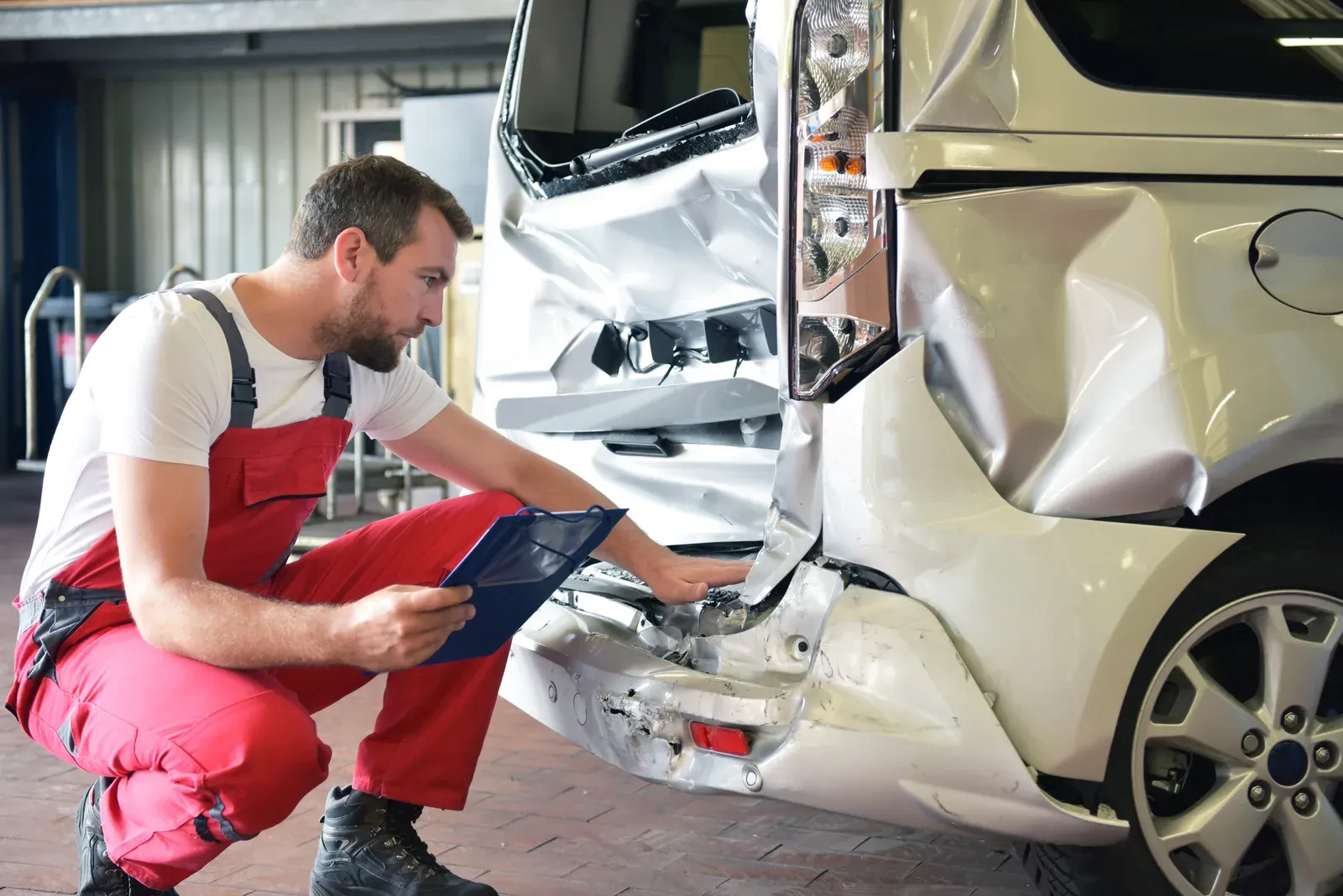
Send three photos from your parking spot and a written estimate comes back fast — that number is honest, but it is a starting point, not a settlement. The final figure is written after the bumper cover, liners, and trim are off and everything the camera could not see is photographed and documented: cracked mounting tabs, compressed foam, a rail that moved a few millimetres. Doing it in that order protects the claim, because supplements filed with photographic evidence get approved; supplements argued from a hunch get debated while your car waits.
It also protects the schedule. With the full damage map done on day one, the parts list is complete before the repair begins instead of growing halfway through it. Structure gets measured against factory dimensions wherever an impact reached it, colour is matched to your paint code and blended into the neighbouring panels, and the car is road-tested before anyone calls you to come get it. Where a repair touches safety systems, we push your insurance company for OEM parts and explain why in writing.
- Written photo estimate first, final number after teardown
- Hidden damage photographed and filed as a documented supplement
- Structure measured to factory specification, not eyeballed
- Blended refinish under a lifetime paint warranty, then a road test
Getting a damaged car from midtown to Keele & Sheppard
If the car drives straight, the lights work, and nothing rubs or leaks, the run up the Allen is short enough to make even with a taped corner — Eglinton west, the Allen north to Sheppard, minutes to our door. If any of that is in doubt, leave it parked and call (647) 594-3401: we coordinate the tow, and Ontario’s towing rules mean the truck takes your vehicle where you direct it. Say our shop, not a storage yard — yards bill by the day and add nothing to the repair.
On the insurance side, remember how Ontario works: under DCPD, your own insurance company pays for your vehicle’s damage when you are not at fault, in whole or in part, with fault split by the Fault Determination Rules. The shop decision stays yours regardless of any list the adjuster reads out. One person — the owner — writes your estimate, runs your file, and answers your calls, and both the paint warranty and the parts-and-installation warranty are handed over in writing at pickup.