Police, the CRC, and the seven-day clock
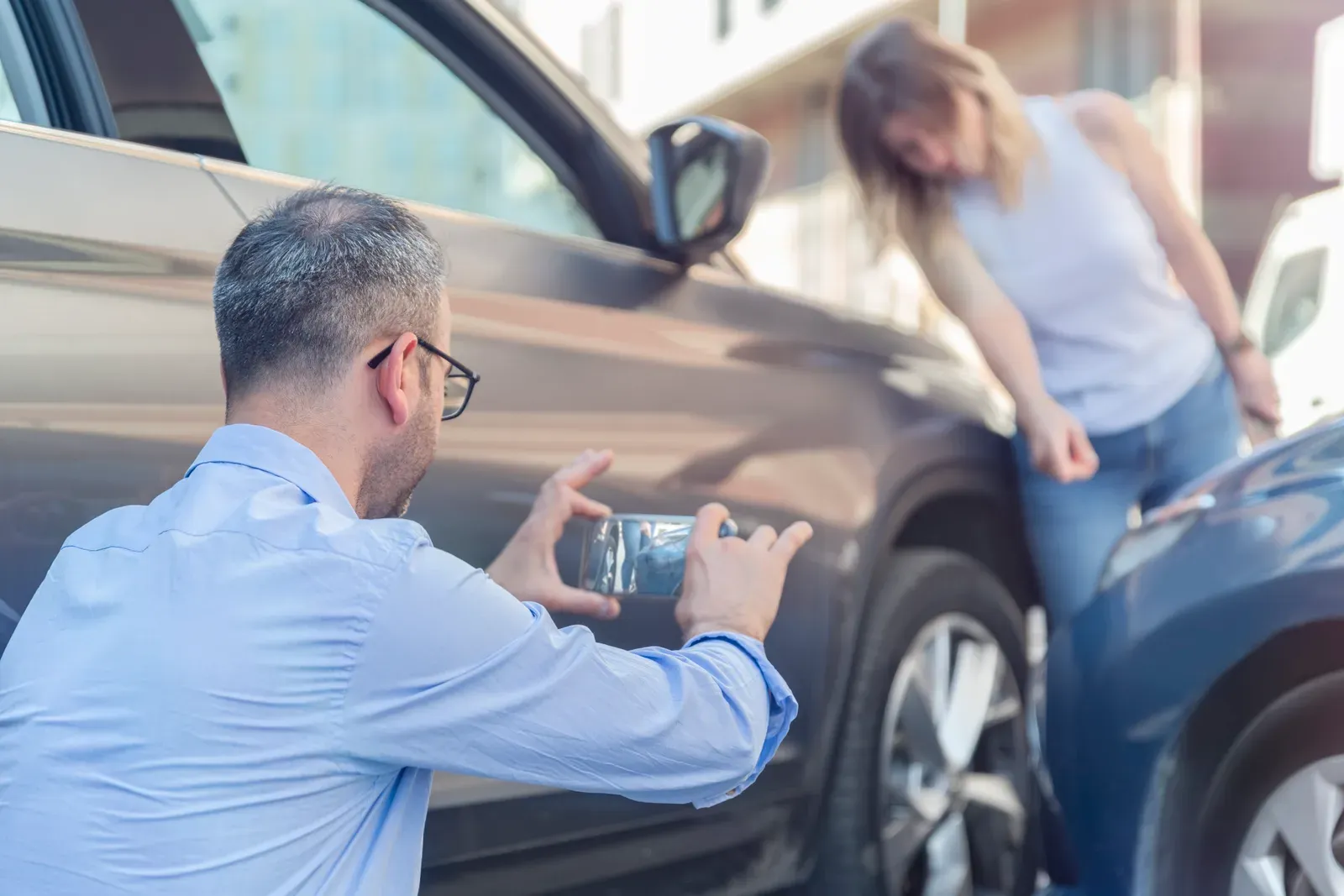
Two reporting duties sit on top of every Ontario collision, and sorting them early saves grief. First, the province: if anyone is injured, or the combined damage across the vehicles looks likely to exceed $5,000, the crash must be reported to police — in Toronto that usually means presenting the vehicle at a Collision Reporting Centre, where the damage is photographed and a report number issued. Given what bodywork costs now, a surprising number of fender-benders clear that threshold.
Second, your policy: the OAP 1 expects you to notify your insurance company within seven days. The Co-operators sells through a network of local advisors, and yours can take the first call, but the claim is worked by an adjuster after that. Name the repair shop when you file — Collision Auto Center, in the Keele and Sheppard area. We are an independent shop with no affiliation to The Co-operators; the name is used here only to describe how such a claim proceeds.
Collision claim or comprehensive claim?
Which coverage applies decides how the claim behaves. A hit involving another vehicle runs through DCPD for your not-at-fault share and collision coverage for any at-fault share. Hail, a falling branch in an August thunderstorm, vandalism outside a condo, a deer strike on the roads north of Aurora — those are comprehensive claims, with no fault assigned and your comprehensive deductible applied.
Glass follows the same logic: a windshield cracked by a stone thrown up on the 401 is a comprehensive claim with your normal deductible, because Ontario has no special zero-deductible glass rule. Knowing which bucket your damage falls into before you call makes the conversation shorter, and it tells you which deductible to weigh the repair against.
After a storm, the queue is the battle
When hail or a windstorm sweeps the GTA, every body shop in the city fills within days, and insurance companies work hardest at routing vehicles in exactly that week. The right to choose your own shop does not pause for weather — name your shop and ask for the file to be sent there, the same in July as in January. Getting into a queue early matters far more than which list a shop appears on.
Send photos before your inspection appointment and you hold a place in our schedule while the paperwork catches up. Hail is assessed panel by panel; where the finish is broken or the metal stretched, the panel is repaired properly and refinished rather than patched. Leaving storm damage unrepaired has a cost of its own — broken clearcoat lets corrosion start, and Toronto road salt finds those openings by the first winter.
- Photos reviewed and a written estimate back fast, free
- Storm-season scheduling so your place in the queue is real
- Panel-by-panel assessment, repair-first where the metal allows
- Refinish colour-matched, blended, and warranted for life
- Supplements filed with images while approved work continues
The repair, and when the estimate falls short
Collision work follows the same order every time here: teardown before the estimate is finalized, structure measured against factory specification when the impact reached it, parts written OEM-first with the reasoning attached, and colour read off your own paint before anything is sprayed. The adjuster reviews the vehicle already apart, which is how the first approval lands closer to the real repair.
Storm estimates written quickly often miss panels, and collision estimates written from photos often miss what sits behind the bumper. A supplement corrects either one — we file it with images, panel counts or part numbers, and the operations required, then track it to approval. Your policy terms govern what is covered; our job is making sure the file shows what the vehicle actually needs.