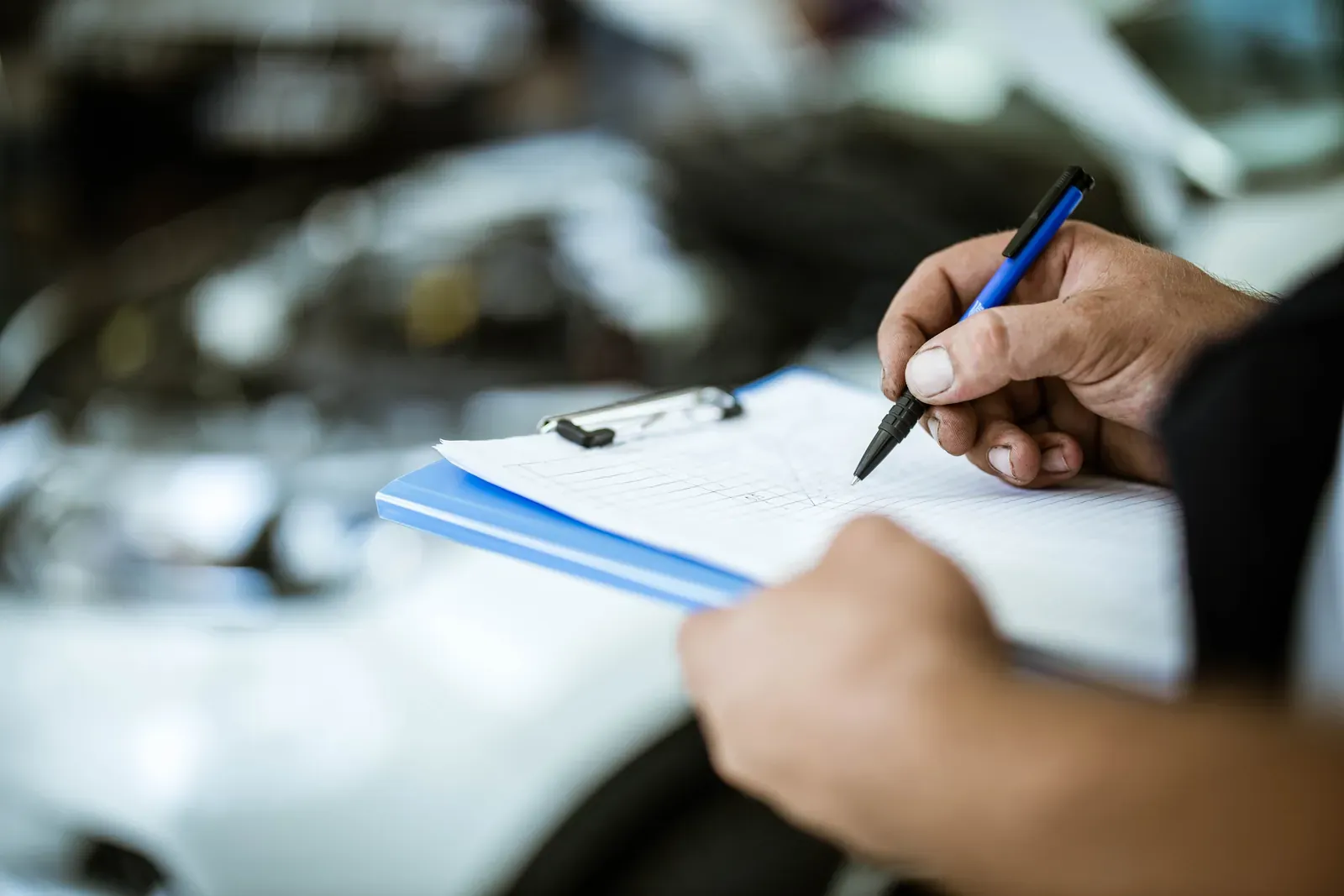
A claim with an online-only company
Sonnet sells entirely online — no broker, no agent, no branch — so there is nobody to hand your claim to across a desk. That is not a problem; it just changes where the effort goes. A digital file lives on what you upload, so the quality of your first submission matters more than it does anywhere else. Photograph both cars from several angles, capture the other driver’s pink slip and plate, note the exact location, and get the Collision Reporting Centre report number if injuries or the $5,000 combined-damage threshold sent you there.
File promptly — the OAP 1 expects notice within seven days — and name your repair shop inside the claim: Collision Auto Center, North York, in the Keele and Sheppard area. Plainly stated, we are an independent business with no affiliation to or endorsement from Sonnet, and the name appears here only to describe how a claim with that insurance company proceeds.
You still choose the shop, even fully online
The medium does not change the law. Ontario drivers pick their own repair shop with an online policy exactly as with any other, and no claim flow, drop-down menu, or suggested list changes that. If the interface offers network facilities, you can enter ours instead; if a claims adviser calls to suggest one, the same single sentence answers it — the vehicle is going to Collision Auto Center, please direct the estimate there.
An online company’s efficiency comes from standardization, and a repair that fits the standard template moves fast. The template struggles when the damage is not average — a bent rail behind clean sheet metal, a sensor bracket that needs a procedure the photo never showed. Choosing a shop that documents beyond the template is how a non-average repair gets approved without a fight.
We speak fluent digital claim
Everything a remote adjuster cannot walk around and see, we photograph and send. The damaged area comes apart before the estimate is finalized, and the file we submit reads like a case: images of every damaged component in place, part numbers, the labour operations behind them, and structural measurements against factory specification where the impact reached that far. A reviewer who never touches the car can still approve what the car needs, if the file makes it undeniable.
You are copied throughout, and the person assembling that file is the owner — you deal with a person here even when the insurance company is an app. Estimates and approvals move by email, the colour is read off your actual paint before the refinish, and the finished work leaves under a lifetime paint and refinish warranty with a parts-and-installation warranty on replacements.
- Claim-ready photo documentation, shot for remote review
- Teardown before the estimate so the digital file matches reality
- Part numbers and labour operations attached to every request
- Structural measurements included where the impact reached the structure
- Every submission copied to you as it goes in
Supplements when the algorithm underestimates
A first number generated from photographs is a starting point, and on real collision damage it usually needs correcting upward. The supplement is how: we document what teardown exposed and file the added lines with the evidence attached, then track the request while authorized work continues. On a well-documented file, most supplements clear without a phone call ever being needed.
If a line comes back denied and the vehicle genuinely needs it, we ask for the decision in writing with the reasoning, because a documented position can be reviewed and a vague one cannot. Deadlines matter too — Ontario expects claims to be reported promptly, and if a disagreement ever pointed toward legal action, property damage claims carry a two-year limitation period. Your policy terms govern coverage; the file we build is what the coverage responds to.