A corridor built for bumper contact
Count the ways West Hill meets a bumper. Kingston Rd strings long fast blocks between hard-braking lights at Morningside, Galloway, and Lawrence — the natural habitat of the 10-to-20 km/h rear-end tap. The plazas along the corridor use tall concrete curb stops that sit exactly below sightlines, catching front covers on the way in and out. And in winter, the driveway windrow does its annual work on rear corners from Manse Rd to the Guildwood edge.
Around the campus corner at Military Trail and Ellesmere, the mix tilts toward parallel-parking contact — covers scuffed and push-bar creased at walking speed by drivers learning the block. Each of these looks trivial from three steps away. The trouble is that a modern bumper hides its condition well, and the plastic you can see is the least of the assembly.
Why the quote waits for the cover to come off
Behind every bumper cover sits an energy absorber, a reinforcement bar, mounting brackets, and — on most cars built in the last decade — parking sensors or a radar module aligned to tight tolerances. Bumper plastic is engineered to flex and spring back, which means a cover that looks fine after a Kingston Rd tap can be hiding a flattened absorber or a cracked bracket that will drop the cover’s corner by spring. Quoting from the outside of that assembly is guessing, so we do not.
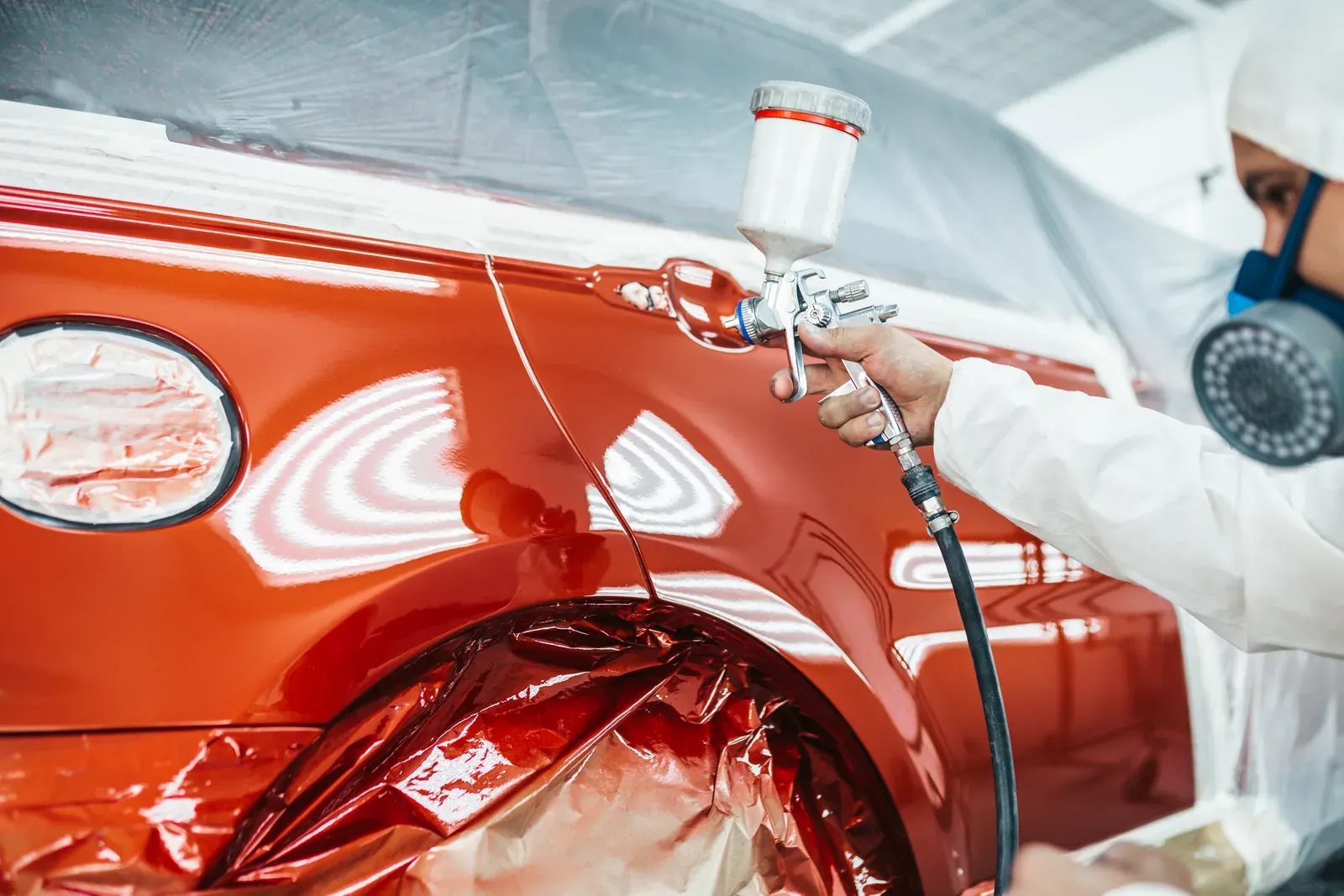
Once the layers are exposed and photographed, the decision is honest and simple. Sound plastic with a scuff or minor crack gets repaired and refinished, blended to a match and covered by the lifetime paint warranty. Torn plastic, crushed absorbers, and broken brackets get replaced — OEM preferred, and we make that case to your insurance company wherever sensor mounting or crash protection depends on the part. After reassembly, sensors and radar are checked for function and position, with manufacturer-specified recalibration built into the plan when required.
- Cover removed and every layer photographed before the final number
- Repair for sound plastic; replacement for tears, crushed absorbers, broken brackets
- Sensors and radar verified after reassembly, recalibrated where specified
- Blended refinish under the lifetime paint warranty
Quick work, planned around the drive
Bumper jobs are the shortest bodywork on the board — with parts in hand, most run a few days — and that is what makes them easy to manage from 28 km out. Photos get you the written starting number and let us pre-order the likely parts against your VIN, so by the time you make the drive west on the 401, the job is staged rather than starting cold. Drop-off Monday to Saturday between 8 AM and 7 PM, Sundays by appointment.
Money-wise, bumpers straddle the claim line more than any other repair, so we run the comparison for you every time. A cosmetic cover refinish often prices below a deductible and belongs out of pocket; a replacement with sensor work rarely does, and if another driver caused it, the DCPD side of your own policy carries the cost. The owner opens that claim, deals with the adjuster, and keeps you posted — your part is two drives and a signature.