Start with photos — most Thornhill bumpers are priced from a driveway
Bumper damage is the easiest repair to scope remotely, so use that. Three photos from where the car sits — the whole rear or front, the scuff up close, and a low angle showing whether the cover has shifted on its mounts — get you a written estimate without crossing Steeles. From there, the visit is one trip with a decision already made. Drop-off fits the commute: Bathurst or Yonge south, Sheppard west, and we are off Keele just south of Sheppard, open Monday through Saturday, 8 AM to 7 PM, with Sundays by appointment.
If the claim route makes sense, we run it. The estimate goes to your insurance company, the adjuster deals with our office, and a rental through your coverage gets timed to your drop-off. If the scrape is one you would rather pay out of pocket — common when the culprit was your own garage wall — the number is the same honest one, and nobody pressures you toward a claim you do not want on your record.
How bumpers get hurt north of Steeles
Thornhill bumper work has a geography. Rear covers get punched in the stop-and-go on Yonge through the construction zone and in the queue for the 407 ramps on Bathurst. Front lower lips grind on the steep aprons where Thornhill Village driveways meet old Yonge, and on the parking blocks in the plaza lots along Clark. Winter contributes the corner smudge from windrows and the reversing tap on a snowbank that felt softer than it was. And underground ramps beneath the newer condos take a steady toll of corner scrapes at the turn onto the second level.
The cover is rarely the whole story. Modern bumpers are systems: a painted plastic skin over a foam or crushable absorber, mounting brackets at each corner, and — on most vehicles in this neighbourhood — parking sensors or a radar module living inside the assembly. A tap that only scuffed the skin may still have cracked a bracket or shifted a sensor, which is why our estimate is finalized after the cover comes off, and why a suspiciously cheap scuff-and-spray quote elsewhere is usually pricing half the job.
Repair the cover, or replace it? An honest split
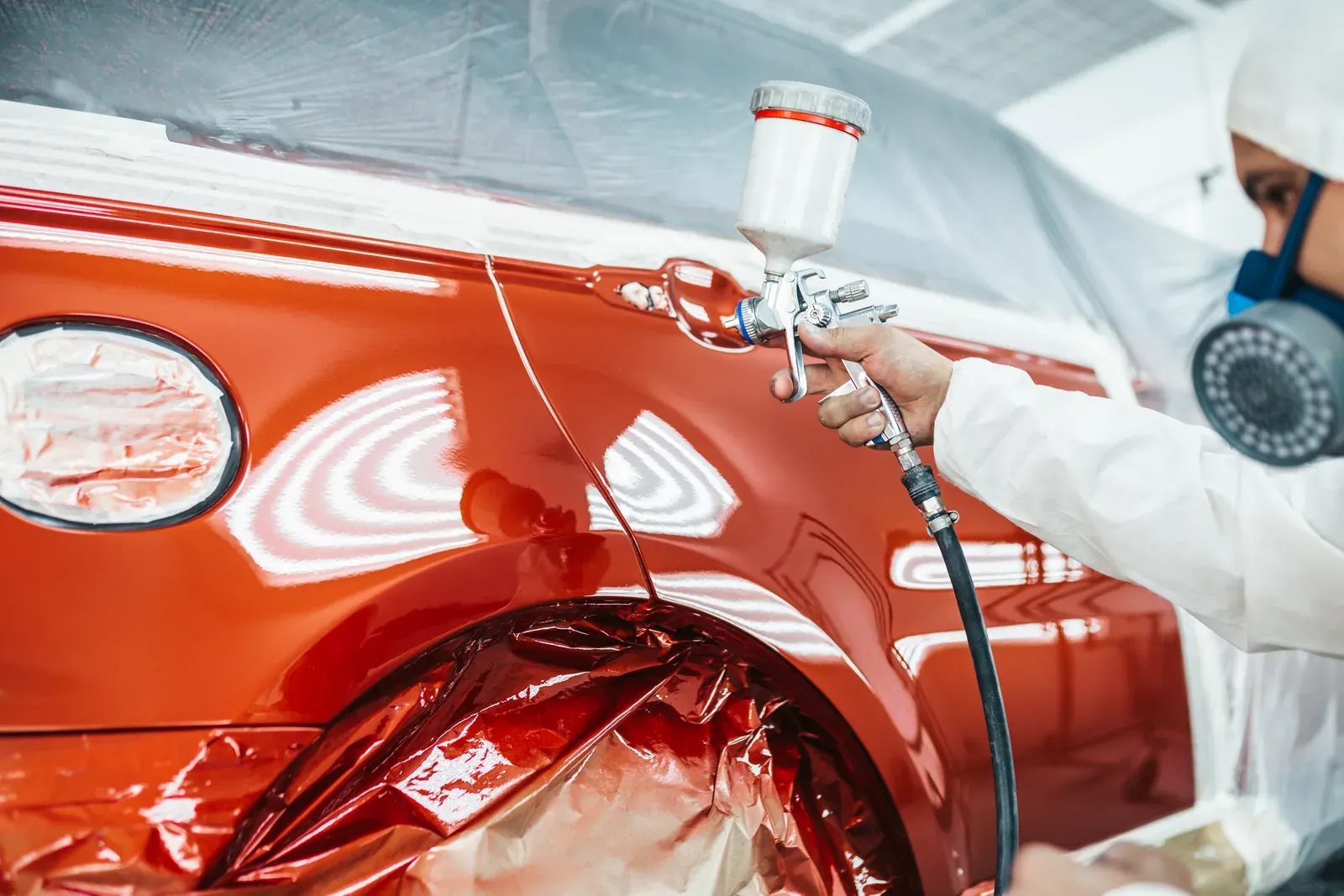
Plastic covers repair well within limits. Scuffs, shallow gouges, and small cracks can be repaired, textured, and refinished so the result disappears — the colour is mixed to your code, tinted against the car, and blended into the fenders or quarters so the new paint has no visible edge. Past those limits, replacement wins: covers with torn mounting tabs, cracks through sensor housings, or damage across a fold line never sit right again, and the labour to fight them costs more than the part. We quote whichever path is genuinely better value over the life of the car, and we say which one we would choose on our own vehicle.
Where sensors or a radar module are involved, the repair includes making sure they still see the world correctly — a bumper that looks perfect and parks blind is not repaired. You can request OEM parts, and where the difference touches safety equipment we advocate for them with your insurance company. The refinish carries the lifetime paint warranty; replaced parts carry the parts-and-installation warranty; and the owner signs off on the fit — panel gaps even, sensors verified — before the car goes back over Steeles.
- Cover off before the final estimate — absorbers and brackets checked, not assumed
- Repair quoted where plastic allows; replacement where it does not
- Parking sensors and radar checked after reassembly
- Colour blended into neighbouring panels under the lifetime paint warranty