The most-damaged part on any Richmond Hill car
Bumpers exist to take the town’s small hits, and this town supplies plenty. The tight rows at the plazas along Yonge and 16th produce backing scrapes; the townhouse garages near Richmond Hill Centre grind rear corners on door frames; the school and arena drop-off loops — Richmond Green busiest of all — trade paint at walking speed every winter evening. Add the 404 queue tap and the snowbank nudge at the end of an icy crescent in Oak Ridges, and it is rare to see a five-year-old car from this town wearing four untouched corners.
A modern bumper is not the rubber battering ram people remember. It is a painted plastic cover over a foam or crush absorber, mounting brackets, and — on most cars in Richmond Hill driveways — parking sensors, a radar unit, sometimes a camera washer line. A hit that scuffs the cover can crack the tabs and shift the sensor bracket behind it, which is why the cover comes off before we finalize any number. Quoting a bumper from the outside is guessing, and guesses grow.
Repair the cover, or replace it?
Plastic covers are more repairable than most drivers expect. A scuff, a shallow dent or a small split can be repaired and refinished for meaningfully less than replacement, and we take that route whenever the plastic will hold it honestly. Torn mounting tabs, cracks through sensor housings, and covers stretched by a solid push are replacement territory — a repaired tab that lets go on a 404 expansion joint helps no one. When the decision is close we price both ways, and if a claim is involved we tell you which route the insurance company’s estimate logic will favour and why.
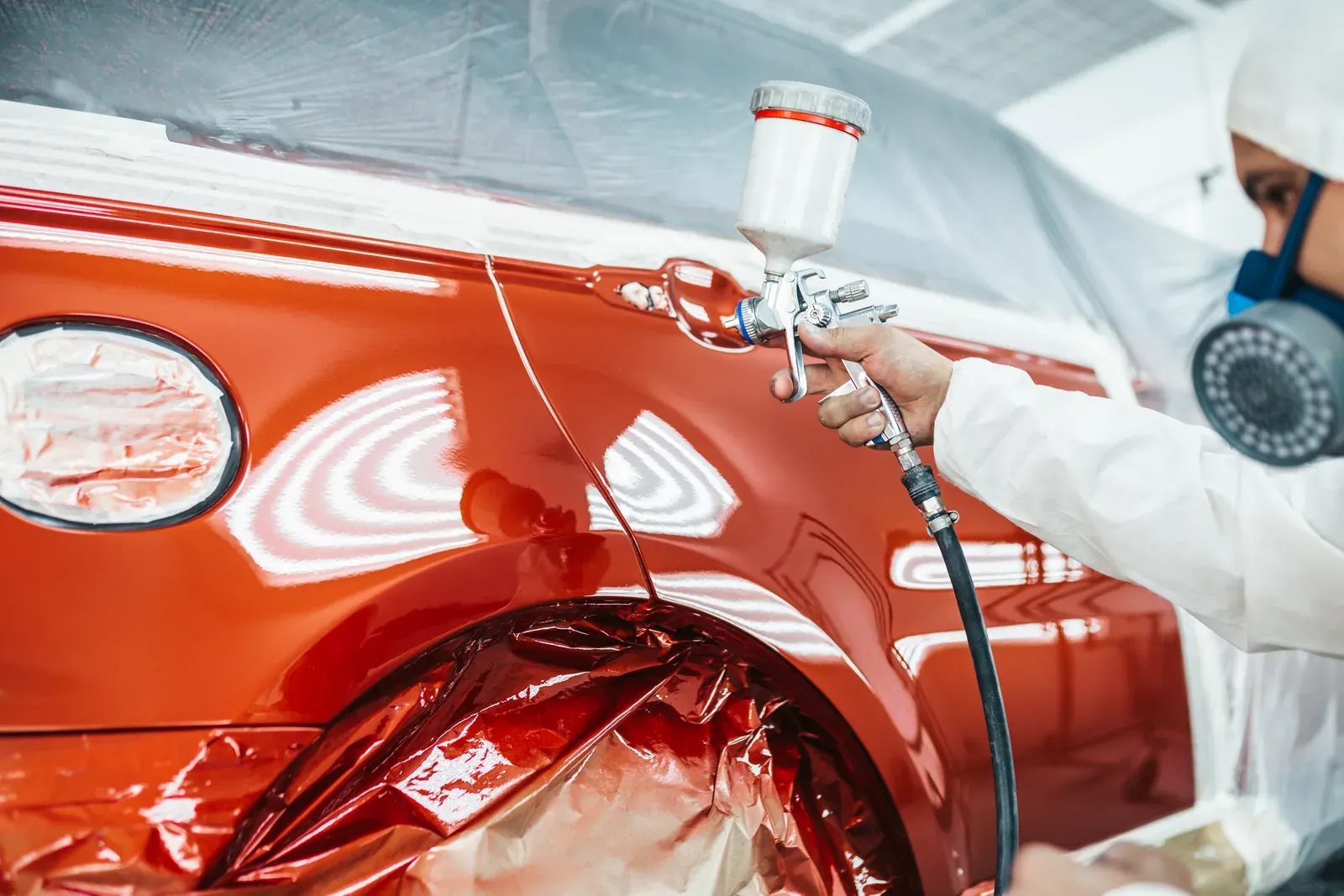
Refinishing is where bumper work most often goes wrong elsewhere, because the flexible plastic and the steel panels beside it take colour differently. The cover is painted with the right flex additives, matched against your car’s current colour, and checked beside the fenders and hood before assembly. Sensors and radar that live in or behind the bumper are refitted and confirmed working — a park sensor painted over or a bracket a few millimetres off turns a cosmetic repair into an electronics complaint.
- Cover off first — absorber, brackets and sensors checked before the final number
- Repair chosen over replacement whenever the plastic honestly allows
- Flex-correct refinish, colour-checked against the neighbouring panels
- Sensors and radar refitted and confirmed before handover
Numbers first, then a single trip
Bumper jobs are the easiest work to start from 15 km away. Photograph the corner — one wide, one close, one at an angle that shows the depth — and a written figure comes back fast, in Canadian dollars, with a note on what the teardown might add if the impact looks deeper than the surface. Many bumper repairs land near a typical deductible, so we flag which side of yours the number likely falls on; paying out of pocket for a scuff repair is often the smarter play, and we will say so when it is.
If it becomes a claim, it becomes our claim to run — opened with your insurance company, supplements filed from teardown photos, rental through your coverage timed to the drop-off. The drive down is the 404 to the 401 to Keele, or Bathurst all the way if you would rather stay off the highway with a cracked cover. Doors open at 8 AM Monday through Saturday; Sundays by appointment; (647) 594-3401 for anything in between.