The kiss-and-ride economy of small collisions
Finch station’s pickup loops may generate more bumper contact per square metre than anywhere else in north Toronto. Drivers idle, creep, watch the doors for their passenger, and roll into the car ahead at a speed that barely registers — except on the plastic. Out on Yonge, the crawl between Finch and Steeles produces the same tap at the same speed a dozen times a day somewhere along the corridor, and the concrete curb stops in the older plaza lots quietly gouge front covers from below when a driver pulls one hand-width too far into the stall.
Winter multiplies the causes without changing the component. Cold plastic is brittle plastic — a cover that would flex and shrug off a tap at 20 °C can crack outright at −15 °C — and the frozen windrows lining the side streets off Drewry catch rear corners as drivers back out blind between the banks. Different physics, same phone call to us afterward.
The layers behind the plastic decide the price
A bumper stopped being a chrome bar decades ago. Today it is a stack of parts: the painted cover you can see, and beneath it an energy absorber, a reinforcement beam, mounting brackets, and — on most cars in these commuter lots — parking sensors or a radar module with an aim measured in fractions of a degree. The cover is built to bounce back; the stack behind it is not. A tap that left barely a mark can have crushed the absorber that was supposed to protect you in the next, harder hit, or cracked a bracket that will let the corner droop by autumn.
That is why the cover comes off here before any estimate is finalized. What we find underneath is photographed and priced honestly: sound plastic with a scuff or minor crack gets repaired and refinished; a torn, creased-through, or sensor-laden cover gets replaced, with OEM our stated preference to your insurance company wherever fit or sensor mounting is at stake. After reassembly, sensors and radar are checked for position and function, and recalibration goes into the plan when the manufacturer requires it.
- Cover removed and the stack behind it photographed before the final price
- Crushed absorbers and cracked brackets replaced, never taped over
- OEM covers preferred where sensors or fit are involved
- Sensor position, function, and any required recalibration verified
Quick work, and the money question answered first
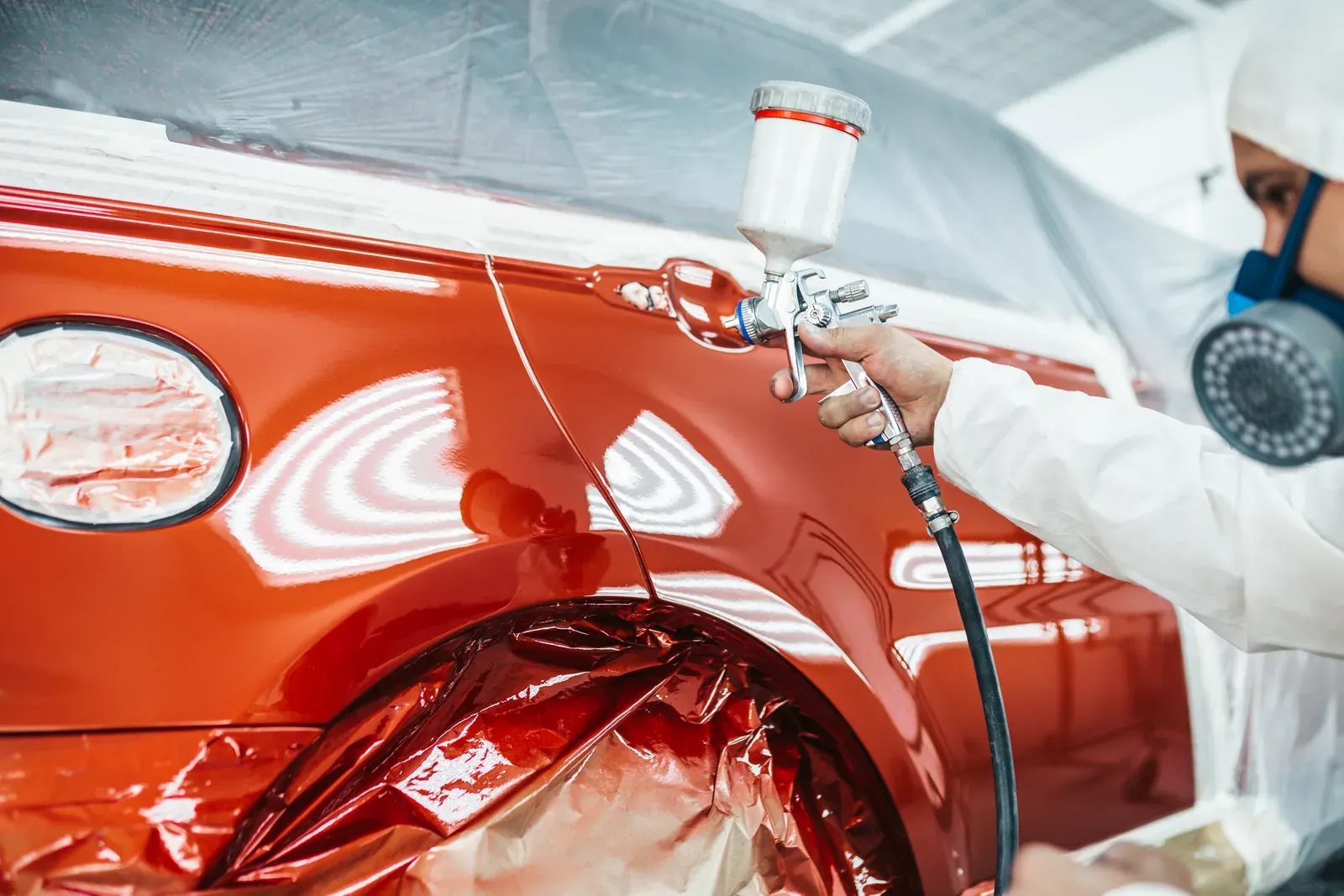
Bumper jobs are the shortest bodywork on our board — with parts in hand, most are measured in days — and we keep the surrounding process just as short. Photos to (647) 594-3401 bring back a written number; the drop-off folds into a Finch station commute; pickup runs to 7 PM Monday through Saturday, with Sundays by appointment. A refinished cover is colour-matched, blended toward its neighbouring panels, and covered by the lifetime paint warranty.
Before anything starts, you get the claim-or-cash comparison in plain numbers. A cosmetic scuff repair often prices below a deductible and should stay out of pocket; a replacement cover with sensors almost never does. And when another driver caused it — rolled into you in the loop, backed into you at Centerpoint — Ontario’s DCPD system puts the vehicle damage through your own insurance company to the extent you were not at fault, and the owner runs that claim from our side start to finish.