A bumper’s life in Burlington is short on mercy
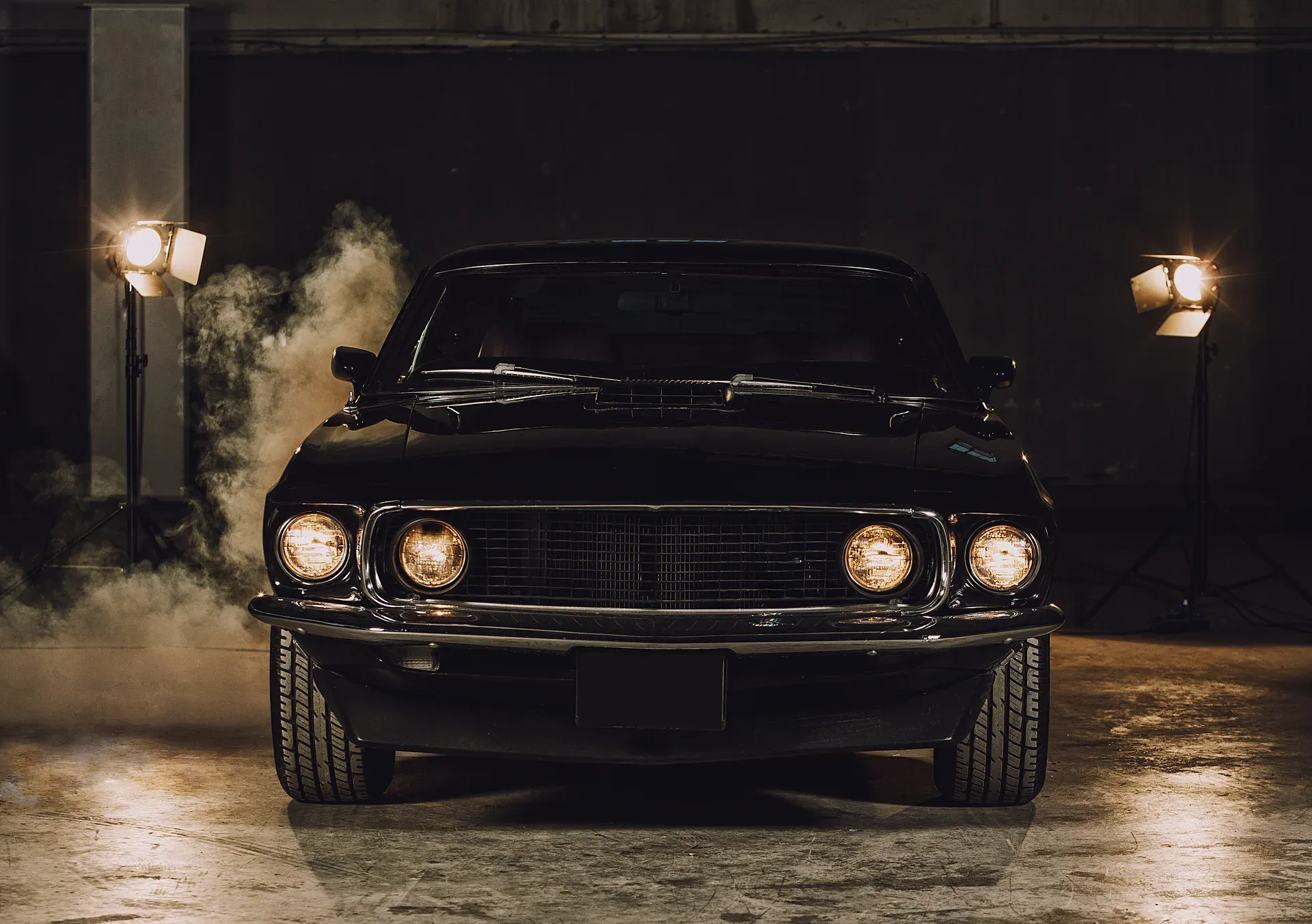
Downtown does the cosmetic damage. The parallel spots along Brant Street and the narrow blocks between Lakeshore Road and Caroline Street are judged in centimetres, and bumper corners keep the score — a white scuff from a planter, a kiss from the next car’s licence-plate bolts. The newer condos near the waterfront add tight garage ramps and square concrete pillars that find rear bumpers on the turn. None of it is dramatic, and all of it is the difference between a car that looks cared-for and one that looks tired.
The heavier hits come from elsewhere. Winter windrows across the driveway mouths of Alton and Headon Forest stop a bumper lip cold at 10 km/h; the QEW crawl produces the plate-height punch that cracks a cover on a trailer hitch; and around the LaSalle Park marina in Aldershot, boat-trailer season leaves its annual crop of hitch-ball dents in rear covers and tailgates. A hitch strike is the most underrated of these — the energy concentrates in one small spot, blows through the cover, and crushes the absorber behind it while the outside shows a modest crack.
The decision lives behind the cover
A modern bumper is a system wearing a plastic skin: cover, energy absorber, steel or aluminum reinforcement bar, brackets, and — on most vehicles in a Burlington driveway today — park sensors, radar, or camera hardware. So the repair decision cannot be made from the outside. The cover comes off, and what sits behind it decides the estimate: a scuffed cover over intact hardware is a repair-and-refinish job; a cracked absorber or bent reinforcement means replacement of what crushed, because those parts are single-use by design — they spent themselves protecting the car.
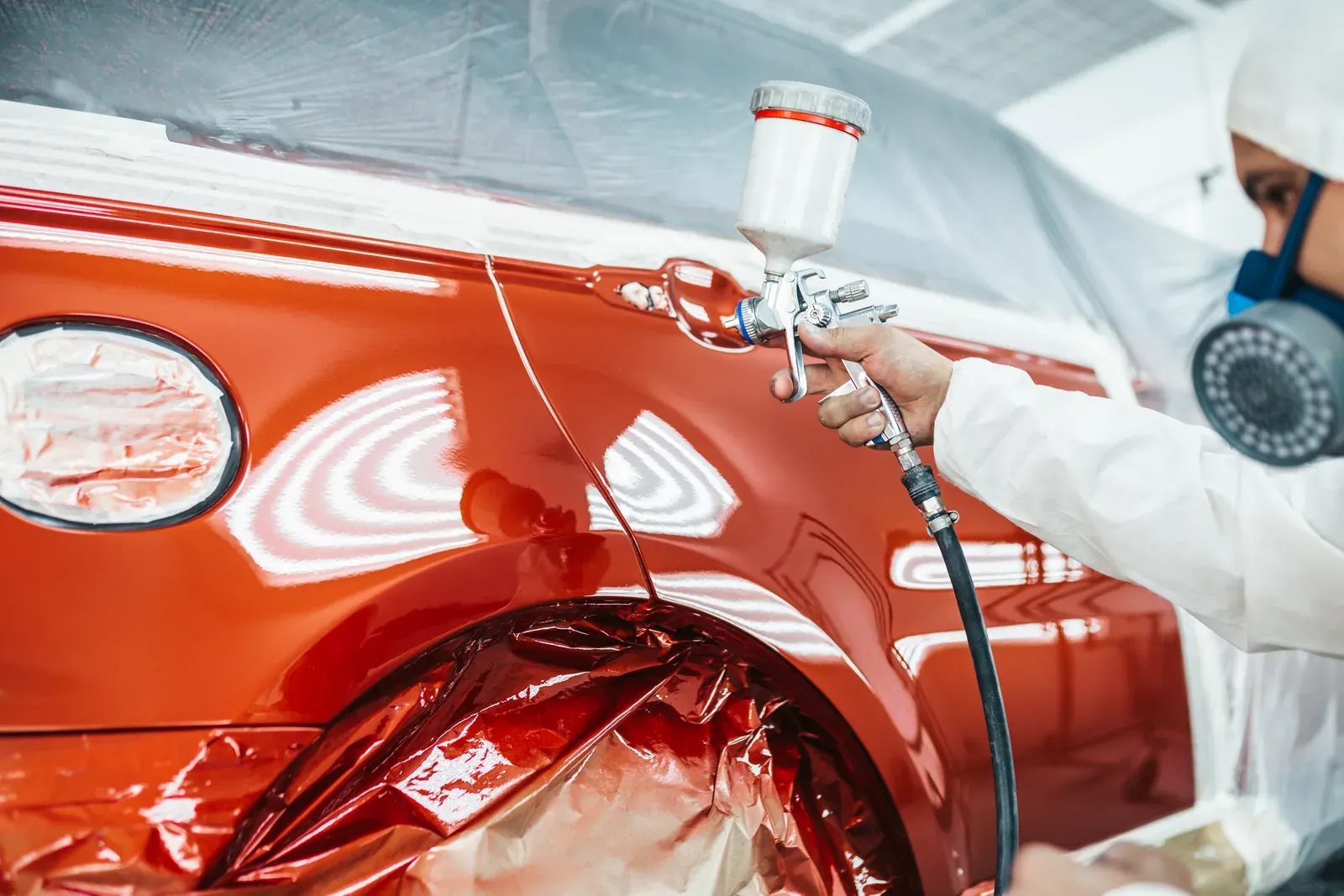
Covers themselves are judged honestly. Scrapes, scuffs, and many cracks repair well: the plastic is welded or bonded, refinished in colour matched and blended to the adjacent panels, and warrantied for life. A cover torn through its mounting tabs or crushed at the corners is a replacement, ideally OEM — aftermarket covers fit approximately, and approximate fit shows at every panel gap. Where sensors live in the bumper, they are checked and, where the manufacturer requires, recalibrated after reassembly, so the cruise control that follows traffic on the QEW is looking exactly where it should.
- Cover off before the final estimate — absorbers and brackets inspected
- Plastic repair and blended refinish where the cover allows it
- OEM preference on replacement covers for fit and finish
- Bumper-mounted sensors checked and recalibrated as required
What it costs, who pays, and how the trip works
Bumper jobs span a wide price range — a corner scuff refinish is one number, a cover-absorber-sensor replacement is a very different one — which is why the conversation starts with photos rather than a booked appointment. Text them to (647) 594-3401 and you get a written range plus a plain recommendation: below or near your deductible, pay out of pocket and skip the claim; struck by an identified driver, DCPD puts the repair through your own insurance company without touching your fault history; hit-and-run in the Mapleview rows, that runs through your own coverage and we document accordingly.
The logistics are the standard Burlington playbook, tuned for a smaller job. We order parts against your VIN before you drive, so the QEW-to-407 trip lands when everything is ready and the car turns around quickly instead of holding a bay. Drop-offs fit around commutes — Monday to Saturday, 8 AM to 7 PM, Sundays by appointment — and a rental through your coverage is arranged when the claim includes one. The goal is simple: two short visits, one straight bumper, and paint you never think about again, backed for as long as you own the car.