What to bring with you
You need less than most people pack, but every item below saves a phone call later. With a claim open, the claim number and the insurance company’s name are the two details that let the shop start pulling work off your plate the same afternoon. Photos from the scene help the estimator read the impact — direction and force hint at where hidden damage will be hiding. And if the car is leased or financed, mention it, because it steers the parts conversation.
Knowing what to leave home is just as useful. You do not need to have filed the claim yet — that decision can be talked through at the counter, including whether filing makes sense at all for the damage you have. You do not need competing estimates, a copy of the Collision Reporting Centre paperwork, or a decision about where the repair will happen. An estimate visit is information gathering, and showing up undecided is a perfectly good way to show up.
- Claim number and insurance company name, if you are filing
- Photos of the damage and, if you have them, of the scene
- Lease or financing details, since they affect parts choices
- A note about prior damage in the same area — honesty here protects you
- Your schedule constraints, so drop-off planning starts immediately
What actually happens during the visit
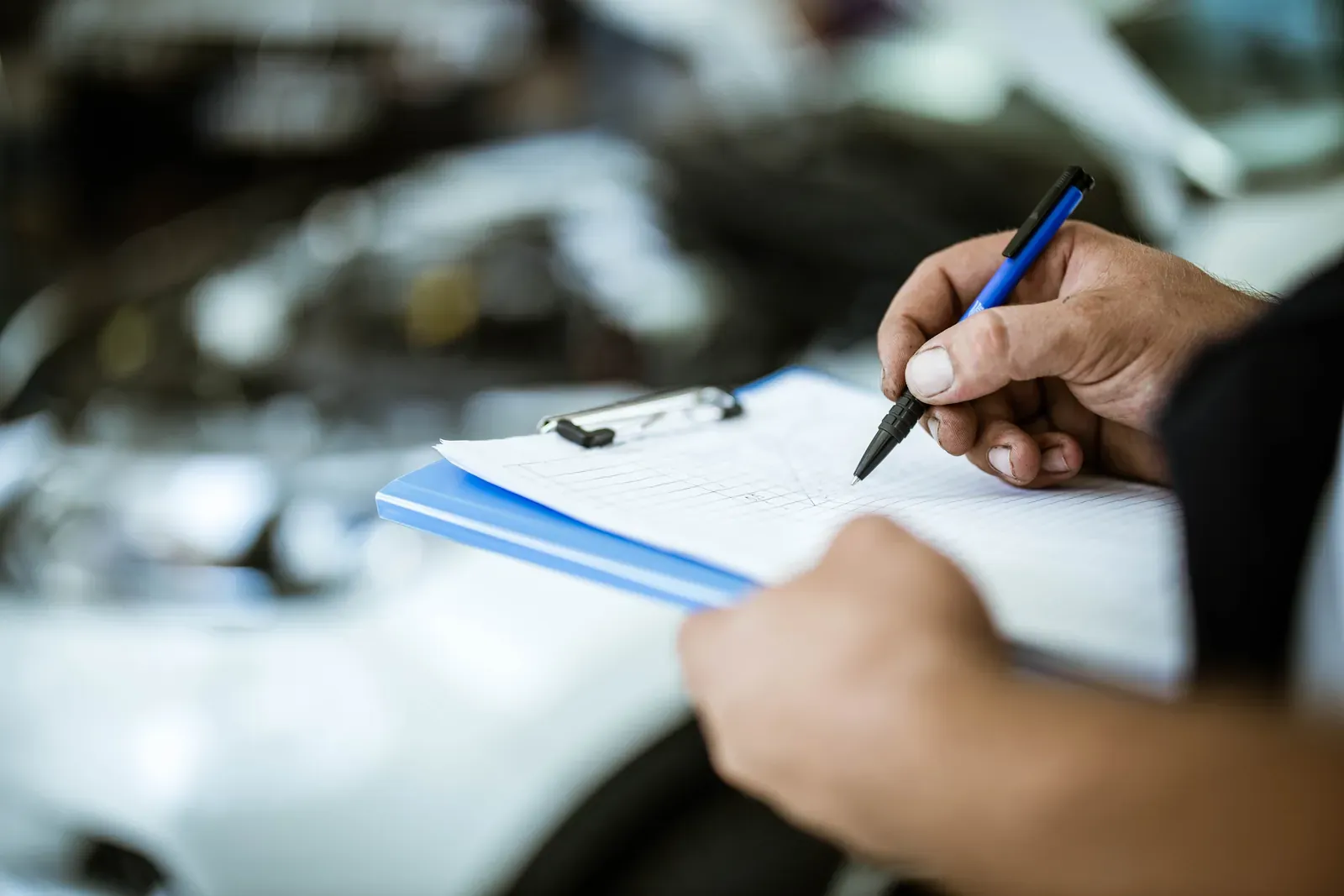
Budget about twenty minutes. The estimator walks the car with you and asks how the damage happened — not small talk, calibration, because impact direction points at where hidden trouble likes to sit. Everything gets photographed, the damage gets written up in an estimating system, and you leave holding a written number plus a plain-language account of what it covers. At Collision Auto Center the estimate costs nothing and carries no obligation — you are talking with the owner himself, not a service adviser reading a screen.
Two small preparations smooth the visit. Arrive with the damaged area reasonably clean — February road grime hides scratches and exaggerates dents in photos. And clear out anything you would not want moved, in case the estimator needs to open a door or the trunk to check behind a panel. Beyond that, come as you are; nobody is grading your interior, and whatever state it is in, the estimator has seen far worse.
What the first estimate can and cannot tell you
A walk-around estimate prices what an assembled car shows, and it does that job well. What it cannot price is whatever sits behind the bumper cover or under the fender — which is why collision estimates carry a built-in asterisk: the number can move once panels come off. On insurance jobs that movement travels through a supplement, a routine process the linked answer explains fully and one worth reading before it happens to you instead of after.
The way to shrink the asterisk is teardown before the final number — disassembling the damaged corner so the estimate prices reality rather than the view from the curb. At any shop you visit, ask whether the figure in your hand is a walk-around number or a teardown number. Both are legitimate documents; you simply deserve to know which one you are holding.
The document itself merits a look before you leave the counter. It should read as a list of named operations and named parts, not one lump sum — a real estimate says what gets repaired versus replaced, what gets refinished, and what each parts line actually is. If yours is a single number on the back of a card, you are holding a quote, not an estimate.
Questions worth asking while you’re standing there
The estimate visit doubles as your interview of the shop, and five questions cover most of the ground:
You are listening for specificity. Confident, particular answers mean the estimate was written by someone who has already thought hard about your car. The full anatomy of a collision estimate is linked below if you want to study before you go.
Notice what is missing from that list: pressure. A visit that ends with someone insisting you leave the car today, sign now, or surrender the claim before you are ready has answered a bigger question than any of the five. Good shops let the written number do the persuading and expect you to take it home and think.
- What parts does this estimate assume — new factory, aftermarket, or recycled?
- Does the paint work include blending into the panels beside the repair?
- What does your warranty cover, and is it in writing?
- When could you take the car, and how long once you have it?
- Who updates me during the repair, and how often?
Or skip the trip entirely
The visit is optional. Photograph the damage in decent light — wide shots that establish the panel, close-ups of the worst of it — and send them over; a written number comes back fast, usually the same day. From there the entire intake can run remotely: the claim handled, parts ordered before drop-off, and one single visit when the car actually comes in. If the car cannot drive, we help arrange the tow straight to the shop.
Photo estimates carry the same walk-around asterisk as an in-person look — hidden damage stays hidden until teardown either way — so starting with photos loses you nothing. What it buys is sequence: the number, the claim conversation, and the parts orders all happen while the car still sits in your driveway or your condo garage instead of in a queue.
Prefer doing it face to face? The door off Keele, just south of Sheppard, is open Monday through Saturday, 8 AM to 7 PM, with Sundays by appointment — and either path ends identically: a written number, explained, before anyone lays a hand on the car. Pick whichever fits the week you are having; the estimate comes out the same.