A body shop’s year, honestly told
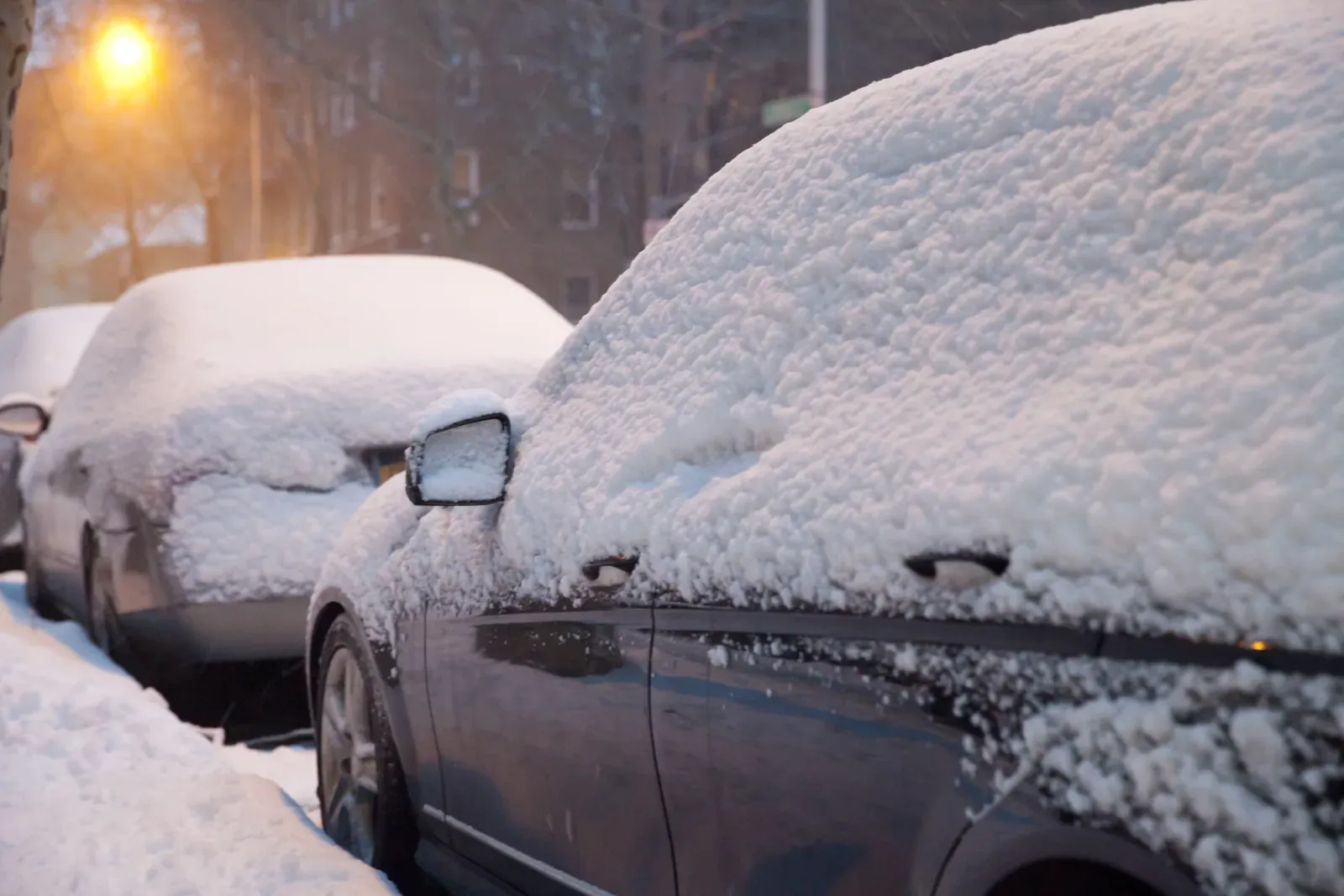
Body shop demand in the GTA is not steady — it arrives in waves nobody schedules. The first real snowfall each winter delivers a week of fender-benders on the 401 and the DVP as the city relearns braking distances. February through April, freeze–thaw potholes crack bumpers and bend wheels across every arterial in Toronto. Spring melt then reveals a whole winter of scrapes at once, fall brings deer strikes on the exurban roads through King, Caledon, and Uxbridge as the days shorten, and the odd summer thunderstorm can drop hail that books shops solid for weeks.
Between those waves sit the quiet windows, and that is the entire trick of timing bodywork: separate what happened to your car from when it gets fixed, and place the fixing in a calm stretch.
The pattern is invisible from outside because every shop keeps taking appointments year-round; what changes is how deep the queue behind your car runs. The same door dent booked in a calm week and booked the week after a city-wide ice morning is the same repair with two very different waits — and nobody at the counter can change that once the wave has landed. Once you see the shape of the year, the booking strategy writes itself.
Where the calm windows usually fall
Late spring into early summer is often the friendliest stretch — the first-snow chaos and pothole season have been worked through, and booth calendars breathe again. Late summer into early fall can be similar in a year without a major storm, before the deer rut starts filling schedules north of the city.
Treat those as patterns, not promises. One July hailstorm over the western GTA rewrites every shop’s calendar in an afternoon. The durable version of the advice: if your repair is optional in its timing, ask the shop when its next calm stretch is coming and aim for it. We will tell you plainly, because a job done in a calm week is a better week for everyone.
Weekdays have their own micro-pattern worth knowing: intake bunches up on Mondays as a weekend’s worth of damage arrives all at once. Dropping off midweek — or on a Saturday, when plenty of shops are dark but our doors are open — quietly moves you ahead of the Monday cluster. A small edge, but timing edges are what this page is about, and the 8 AM open makes a before-work drop-off routine.
Rust work sets its own deadline
The one repair that should never wait for a convenient season is anything with broken or bubbling paint. Corrosion works all winter, every winter, and a spot that crosses a salt season comes back bigger — so rust and chip repairs found in fall belong on the calendar before the brine trucks roll, full stop.
Spring is the natural checkup season for the opposite reason: the melt shows you what winter did. Walk the car after the first real thaw, photograph anything brown or bubbled, and book it before summer traffic reaches the schedule. Caught before perforation it stays a modest booth job, and it is out-of-pocket work regardless — insurance companies exclude corrosion — so no claims timeline is pushing you.
Deer season earns an odd mention in a rust discussion: a fall collision on a dark road north of Aurora that cracks paint or scrapes panels is the classic setup for spring corrosion, because the damage enters winter open. If a fall repair is happening anyway, that visit is the moment to have the rest of the car’s chips and scrapes looked at — the car is already in the shop, and winter is already coming.
The same logic covers cosmetic scrapes and scuffed bumper corners, even where the plastic cannot rust: winter grime hides damage, owners stop seeing it, and spring reveals it exactly when trade-in and road-trip season begins. Damage you already know about is cheapest handled on your schedule rather than the season’s — and booked into a lull, it will feel like it cost less, whatever the invoice says.
How to jump ahead in any season
The biggest wait in bodywork is usually not the repair — it is the spot in line, and you can shorten it in ways that have nothing to do with the calendar. Every item below works in July and January alike, and together they routinely matter more than which month the calendar shows.
- Send photos first: a free written estimate comes back fast, no drive needed
- Approve early so parts are ordered before your car is dropped off
- Stay flexible on the drop-off day and the queue works in your favour
- Use the six-day week — Mon–Sat 8 AM–7 PM, Sundays by appointment
- Ask whether a small job can slot between larger collision repairs
Does the season change the work itself?
No — and this surprises people every January. Refinishing happens inside a downdraft booth where temperature and airflow are controlled year-round, so a February paint job cures exactly like a July one. Winter changes what happens to cars on the DVP, not what happens to them in the shop. The booth neither knows nor cares what the thermometer outside reads.
So choose your timing for convenience and queue position, never out of worry that cold-month work is second-rate. Our cold-weather repair page digs into the details behind that answer if you want them.
The one seasonal reality that does touch customers is logistics on the coldest snaps — cars arrive caked in ice, and careful teardown starts with a melt. That affects hours, not quality, and managing it is our problem rather than yours. If a timeline shifts, you hear it during the estimate conversation, never as a surprise at pickup.