Where York Mills collisions actually happen
Most of them happen within a kilometre of the 401. The stretch over the Hoggs Hollow bridge is among the heaviest traffic in North America, and the express–collector transfers on either side of Yonge are built for exactly the crash we see most: a driver cutting across for the exit, a lane that stopped faster than expected, and a three-car chain of folded bumpers and bent rear panels. The Avenue Road and Yonge ramps feed the same pattern on and off the highway all day.
Off the highway, the neighbourhood contributes its own list. Left turns across York Mills Road at Bayview catch front corners. The crush of buses, drop-offs, and U-turns around York Mills station produces the low-speed hits that crack covers and knock sensors off their aim. And every January, the shaded hills of Hoggs Hollow — Mill Street, Donwoods, the lanes with no sidewalks and no run-off room — send us cars that slid into gateposts and retaining walls at walking speed and still need a corner rebuilt.
Teardown first, then the number
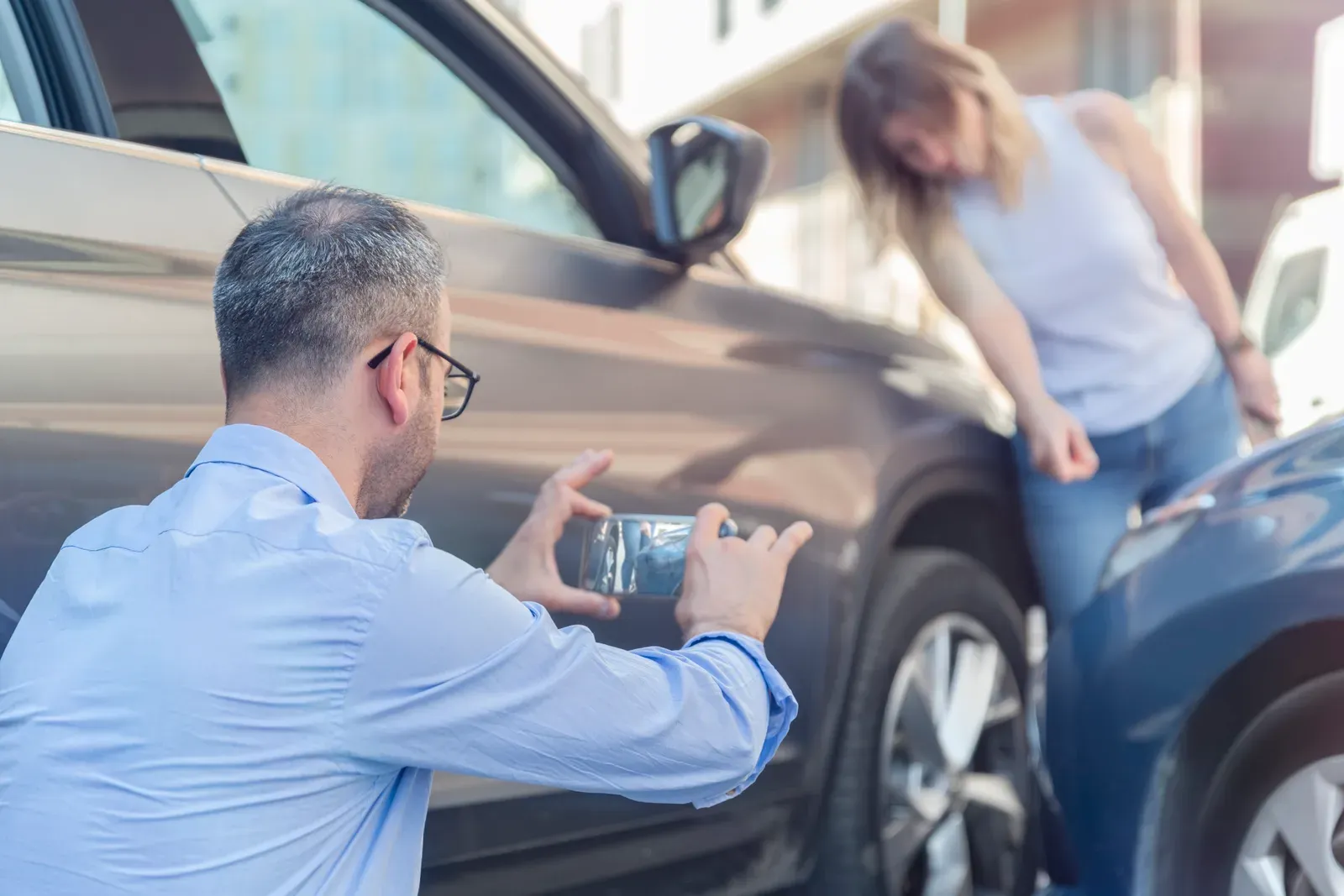
A photo estimate gets you a fast written starting point, and it is honest about being a starting point. The number that matters is written after teardown, when the cover, liner, and trim are off and everything the impact touched is visible and photographed — the crushed foam absorber, the cracked bracket, the radar module that moved three degrees. Writing the estimate in that order means the claim is documented against evidence, and the parts are ordered once instead of in instalments while your car waits on a hoist.
From there the repair follows the damage. Structure gets measured against factory dimensions wherever the impact reached it. Panels are repaired where the metal allows and replaced where it does not, with OEM parts argued for wherever safety is in play. The colour is matched to your code, test-sprayed, and blended into the panels around the repair so nothing shows in daylight on your own driveway. Before the keys come back, the car is inspected and road-tested.
- Absorbers and brackets crushed behind a cover that only looks scuffed
- Parking sensors and radar knocked off their factory aim
- Rear body panels shifted just enough to change panel gaps
- Headlamp mounts and supports cracked out of sight
The claim is ours to run
Ontario handles vehicle damage through DCPD: when you are not at fault — entirely or in part — your own insurance company pays for your car, with the split decided under the province’s Fault Determination Rules. Notify your insurance company promptly; your policy expects notice within seven days. If anyone was hurt, or the combined damage looks likely to exceed $5,000, report to a Collision Reporting Centre as well.
After that, step back and let us work. We open the claim, deal with the adjuster directly, and file supplements with photographs when teardown finds what the first look missed. If your insurance company mentions a preferred shop, that is a recommendation and nothing more — in Ontario, the repair shop is your choice. The owner handles the file personally, and the rental your coverage provides gets timed to your drop-off so you are never stranded between cars.