Between Brock Road and Whites Road, the 401 collects its toll
Most Pickering collision files begin on the same few kilometres of highway. The express–collector transfers near Whites Rd force lane changes at the worst possible moment, the truck stream peeling toward the 407 link keeps the right lanes heavy, and the westbound crawl that forms every weekday morning is a production line for the three-car tap — low closing speed, folded bumper covers, and hidden damage in the absorbers and rear body panels behind them. When traffic is actually moving, the same stretch produces the harder version, where energy at highway speed travels well past the panel that shows the dent.
The city streets contribute their own steady trickle. Kingston Rd runs light to light past every plaza between Whites and Brock, and left-turners across three lanes of it account for a lot of caved-in front corners. Bayly St feeds the casino at Church St around the clock, and north of Taunton the sideline roads through Whitevale and Greenwood add dusk deer strikes from October on — grille, headlight mounts, radiator support, and the sensors that live behind the front badge, all in one hit.
No final number until the covers are off
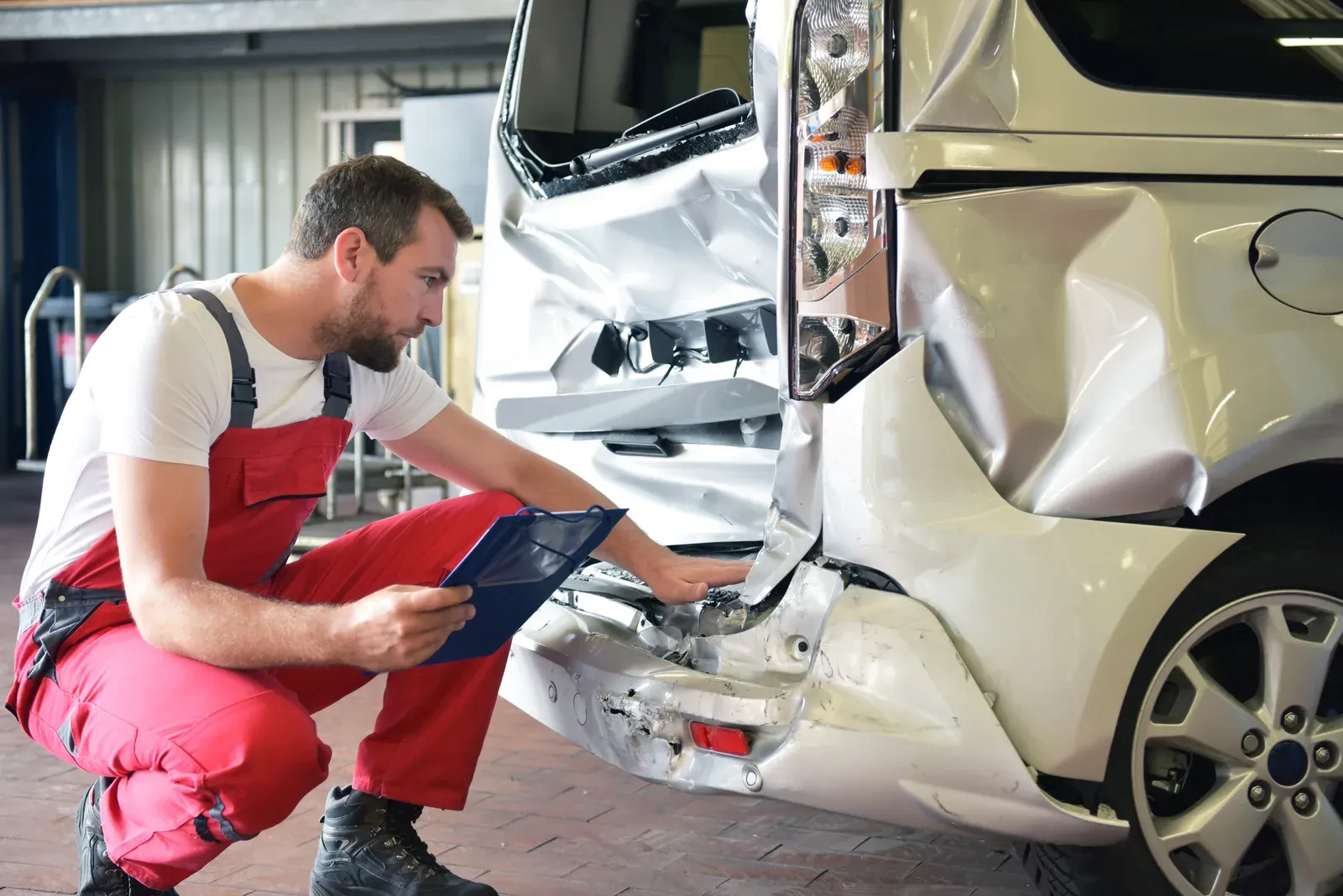
A camera sees the outside of a collision; the bill lives on the inside. So the estimate here gets finalized after teardown — bumper covers, liners, and trim removed, every finding photographed into your file — because a cracked bracket or a shifted rail found on day one is a supplement argued once, not a repair that stalls mid-stream while paperwork catches up. Anything structural goes onto the measuring system, gets pulled back in controlled stages, and keeps its before-and-after readings in the file your insurance company sees.
Where a replacement part carries safety or fit consequences, we press the insurance company for OEM instead of settling for like-kind-and-quality by default — no Ontario rule hands you OEM automatically, so the argument has to be made, and we make it. The refinish is matched to your code, tuned to the panel as it actually looks after its years outdoors, and blended into the neighbours so the repair has no edge. Paint carries a lifetime warranty, replacement parts carry parts-and-installation coverage, and the car is road-tested before you see it.
- Teardown before the estimate is final — the number is real, not provisional
- Structural corrections measured and documented against factory data
- OEM parts argued for where safety or fit is on the line
- Inspection and road test before the keys change hands
How the claim travels while you stay in Pickering
If another driver caused the crash, Ontario’s DCPD coverage means your own insurance company pays for the vehicle damage, with fault split under the province’s Fault Determination Rules — worth knowing before you assume the other side’s adjuster owes you a call. The exception is anyone who removed DCPD with the OPCF 49 endorsement, who has no coverage for not-at-fault damage at all. If anyone was hurt or the combined damage looks past $5,000, a Collision Reporting Centre visit is required, and your own insurance company expects notice promptly — within about seven days under the standard Ontario policy.
From your side, the process is three photos and a phone call. The owner reads the damage, sends a written number, and if it becomes a claim, opens it and deals with the adjuster from our office. The rental through your coverage is booked to the morning you drop off, so the 401 trip costs you one drive down and one drive back. Not drivable? Tell us where it stopped — the tow destination in Ontario is your call, and we make the arrangements.