Parallel parking is a contact sport here
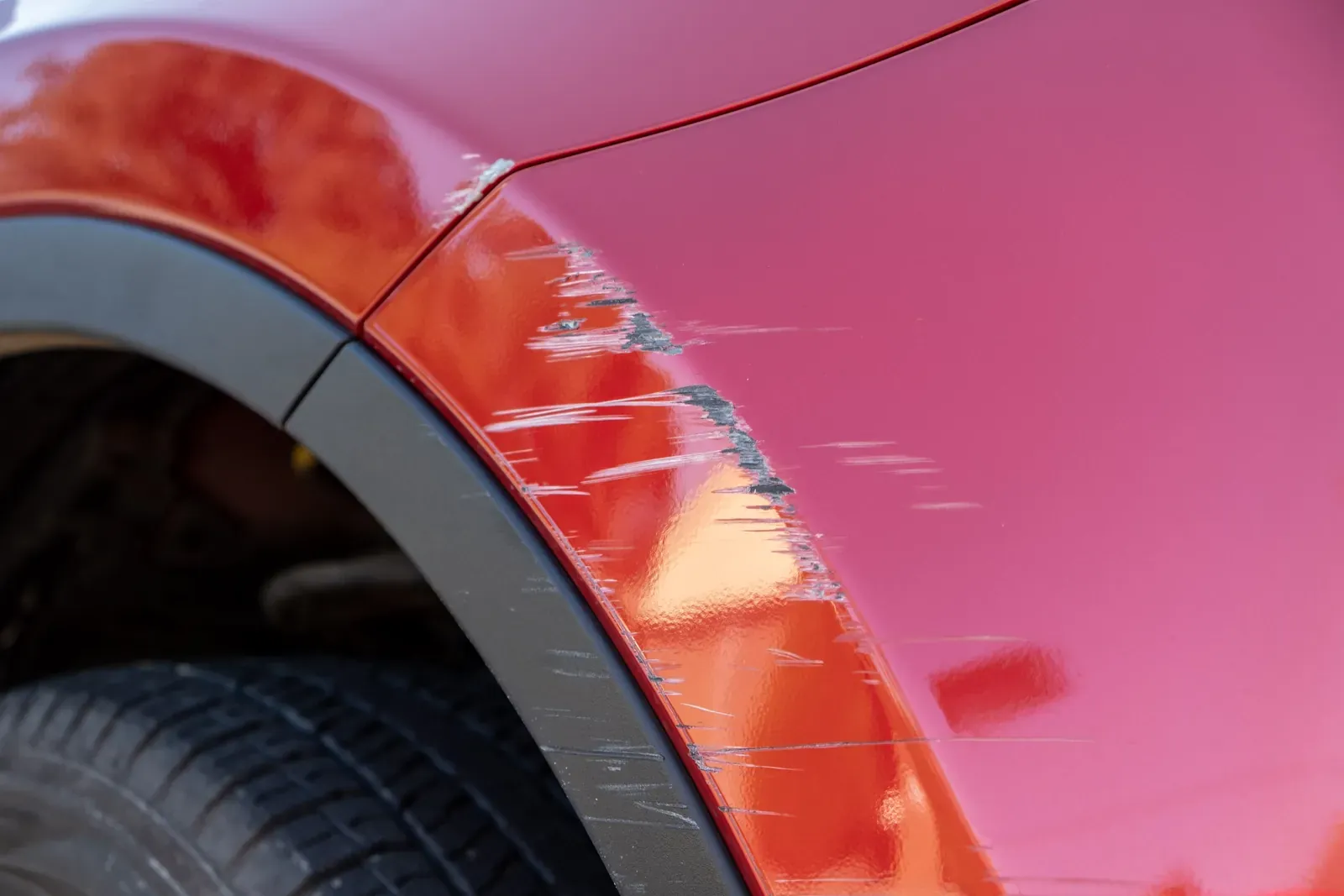
Between Bloor West Village, the Roncesvalles strip, and the permit streets ringing the park, most High Park drivers parallel park several times a day — and the neighbourhood’s bumpers keep the score. Corners get scuffed against kerbs while tucking into a spot a size too small; covers collect paint transfer from the nudge-and-settle style of parking that tight strips teach; and blossom season adds visiting drivers backing into spaces they cannot see the end of. Add the laneway problem — rear covers clipping garage frames and fence posts on the daily reverse — and bumper work becomes the steadiest stream of anything we see from these postal codes.
The faster version comes off the arterials. Parkside Dr and The Queensway queues produce the classic low-speed push-in: bumper meets bumper at 15 km/h, both covers look barely marked, and the plastic pops mostly back to shape while the parts behind it stay compressed. That resilience is exactly what makes modern bumpers deceptive.
A bumper is a system wearing a plastic mask
Behind the cover sits everything that actually does the work: an energy absorber, a steel or aluminium beam, mounting brackets, and — on most cars of the last decade — parking sensors and sometimes radar. A cover that flexed and returned can hide a crushed absorber or cracked brackets, which is why we unclip and inspect before pricing a “simple scuff” from a Parkside tap. Scuffs and shallow gouges in an otherwise sound cover are repaired and refinished; cracked, torn, or previously repaired covers usually argue for replacement, and we show you which yours is rather than asking you to take it on faith.
Refinishing bumper plastic properly means flexible-substrate prep, colour tuned to your car’s aged finish, and a blend into the adjacent panels where needed — the same lifetime-warranted paint work as any steel panel. Sensors and their brackets get refitted and checked, because a sensor sitting a few degrees off its intended aim is worse than a scuff: it lies to you in every parking spot. Where OEM covers and brackets matter for fit and sensor placement, we say so to your insurance company and push for them.
- Cover off and structure inspected before the price is final
- Repairable scuffs refinished; cracked or torn covers replaced
- Sensors and brackets refitted and checked after every repair
- Flexible-substrate refinish under the lifetime paint warranty
Small job, small process — priced before you drive anywhere
Most bumper scuffs price below or near a typical deductible, so most of this work is cash — no claim, no adjuster, no history entry. Text photos to (647) 594-3401 and the written number comes back while the car stays on its permit spot; if a claim does make sense — a hit-and-run on a parked car runs through your own collision coverage once reported to police, and an identified at-fault driver puts you under DCPD with your own insurance company — we tell you which door you are standing in front of and open it for you.
A cover repair and refinish typically runs a few days, most of it cure time; a replacement cover depends on the parts window, which we confirm before you commit. The trip up is Keele St from the park gates to our lot, the 41 bus runs you home again, and doors are open 8 AM to 7 PM Monday through Saturday with Sundays by appointment. One person — the owner — owns the job from photo to keys.